Skip to Content

NAPCE Awards 2023 – WINNERS ANNOUNCED

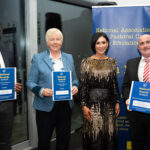
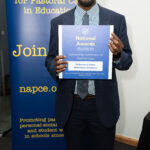
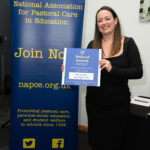
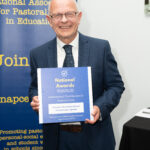
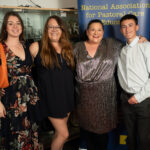
The winners of the fourth annual National Awards for Pastoral Care in Education were announced at a SOLD OUT event on September 29th in Worcester.

The atmosphere was electric at Worcestershire County Cricket Ground and special guests included guest speaker Ronald Skelton M.Ed. B.Phil. B.Ed. (Hons) NPQH LLE, Headteacher and CEO of Broadway Academy in Birmingham and the longest serving headteacher in the region.

There was also entertainment for the first time from glorious young singer Sienna and a dazzling performance of Irish dancing from a team assembled by Chloe English, World Irish Dancing Champion.

The event was sponsored by Majesticare and was brilliantly hosted by NAPCE Chair Phil Jones.

A record number of nominations, fantastic finalists, brilliant winners and amazing support from across the education sector characterised the NAPCE Awards 2023.

It was described as an “ultimate triumph”.

Entry for NAPCE Awards 2024 was announced on the night and opened on Sunday, October 1st, 2023. Entries can be made here https://napceawards.wufoo.com/forms/napce-awards-2024-entry-form/

Here are the winners and finalists of the National Awards for Pastoral Care in Education 2023.

Congratulations to all winners and finalists on your fantastic achievements.

National Awards for Pastoral Care in Education 2023 – The Winners

Pastoral School of the Year – Sponsored by Schools Consent Project
Presented by Luke Ramsden, Chair of Trustees for School Consent Project

A school that can demonstrate a commitment to pastoral care and support for learners that makes a real difference in the progress and personal development of young people in the school.

Richard Cloudesley School

Up Holland High School, Lancashire

St Patrick College Dungiven

RGS The Grange

Holy Trinity Primary School

Pastoral Team of the Year – Sponsored by Connect to Purpose
Presented by Georgina Saralis Founder and CEO, Connect to Purpose

A team that works in pastoral care and can demonstrate a determination to support young people to achieve their full potential and a positive impact on the young people they work with.

Pastoral Team, Stockport Academy

Pastoral Team at Shireland Collegiate Academy

SENDi Team Tudor Grange Academy Worcester

Institute of Policing’s Work Based Education Officers Team

Team of Student Managers, Preston College

Pastoral Member of Staff of the Year – Sponsored by North London Collegiate School, Jeju, South Korea
Presented by Jill Robson, NAPCE National Secretary

A member of staff who works in pastoral care and who always makes the extra effort to support young people to enable them to become effective learners and achieve success.

Liz Tzouliou, East Barnet School

Matt Pont Beck Primary School

Raymond Kelly, St Patrick College Dungiven · Thomas Carter Stead, NLCS Jeju

Aine Deane, Sacred Heart Primary School, Derry

Pastoral Leader of the Year – Sponsored by Taylor and Francis
Presented by Mel and Ellie from Majesticare

Has a passion for pastoral care that is shared with colleagues to inspire and motivate them to make a real difference in the lives of the young people they work with.

Aine Deane, Sacred Heart Primary School, Derry

Donna Merry, Southend YMCA Community School

Liz Weddle, JCoSS, Barnet

Kathryn Bates, Shireland Collegiate Academy, Smethwick

Andrew Keep, St Bees School

Pastoral Development of the Year – Sponsored by Crown House Publishing
Presented by Ron Skelton, Headteacher and CEO, Broadway Academy, Birmingham

A pastoral initiative or idea that has achieved positive outcomes and has improved the learning experience and future life chances, for young people.

Raymond Herron, St. Mary’s Christian Brothers Grammar School

Christ the King Sixth Forms

Inclusion Hub, Friern Barnet School

Leighton Park School

St. Louis Grammar School Ballymena

Outstanding Contribution to Pastoral Care – Sponsored by Eileen Donnelly Educational Development Limited
Presented by Eileen Donnelly, Member of NAPCE National Executive Committee

A person, group or organisation that has made a real difference in pastoral care, for the benefit of young people.

Mohammed Adam, Manchester Academy

Girls on Board

Heather Tuffs, Nidderdale High School

Lads Like Us

Sacred Heart PS, Derry

Raising Awareness about Pastoral Care – Sponsored by The Association of School and College Leaders
Presented by Margaret Mulholland from ASCL

An individual, group or organisation who through their actions have raised awareness about pastoral care or pastoral issues and encouraged positive improvements for the benefit of young people.

Ellie Costello, Team Square Peg

Stephen Page, All Saints Catholic College

Pastoral Care Department, Glenlola Collegiate School

Highfield and Brookham Schools

International Contribution to Pastoral Care Award – Sponsored by Global Equality Collective
Presented by Chloe English, World Irish Dancing Champion

An international school, organisation outside of the UK or an individual working in research or in an international school outside of the UK, that has promoted or delivered high quality pastoral care.

Charlene Secondary School Kiryandongo, Uganda

Bromsgrove International School Thailand

NLCS Jeju

University of Malta

International School Ikast-Brande

NAPCE News – June 2023

NAPCE News – June 2023

Making a positive difference to young people through pastoral care

LEAD ARTICLE: NAPCE’s Dr Nicole Cara Explores the Role of the Form Tutor in 2023

The role of the Form Tutor: some insights from research on good practice by Dr Nicole Cara

What does a Form Tutor actually do? Do we need them? Why are they important? What does good practice look like?

This article provides a summary of some of the findings of a large-scale research study undertaken to investigate the role of the Form Tutor, Form Time and Tutor Groups by researchers from the Department for Psychology and Human Development at the Institute of Education, University College London.

The study is based on a large sample of over 1,200 Form Tutors, representing 27% of secondary schools in the country, collecting data by a survey and interviews.

What is a Form Tutor?

In the intricate web of the pastoral secondary school education system in the UK, one essential element stands out—the Form Tutor.

A Form Tutor is a member of school staff, typically a teacher, though not always, who occupies a vital role in the academic and personal development of children.

They are the adult who has regular (usually daily) contact with the group of children in their care, commonly known as a ‘Tutor Group’.

A Form Tutor and their Tutor Group usually share Form Time together, though our research found Form Time does not take place in all secondary schools in the country.

Why is a Form Tutor Important?

The Form Tutor is the only person able to have a direct oversight of the children within a secondary school given children have multiple adults teaching them across their day.

The Form Tutor is the main adult a child will build a solid relationship with at secondary school. The Form Tutor-tutee relationship has potential to be a protective factor for children, promoting a sense of school belonging (Allen & Kern, 2017, 2020; Hobfoll, 2011), helping them feel secure and safe.

This in turn has a positive impact young people’s motivation (Ryan & Deci, 2000) and as a result, facilitates their academic, social and emotional success (Cook et al., 2005; Heilbronn, 2004).

Therefore, Form Tutors are the cornerstone of pastoral care, being in a position to have a relationship that differs from that of a subject teacher and student.

Furthermore, there is growing evidence to suggest that positive mental health and wellbeing of children and educational attainment are not synergistic goals.

Form Tutors providing pastoral support helps children develop their resilience and emotional wellbeing, which, in turn, has a positive impact on learning and attainment, supporting and motivating children to achieve their full potential.

What Should a Form Tutor Do?

Form Tutors wear multiple hats, undertaking a range of responsibilities to cater to the holistic needs of their tutees.

They act as mentors, advocates, and facilitators, ensuring the overall wellbeing of their Tutor Group.

However, both our review of the existing literature and our study highlighted ambivalent feelings regarding the role of the Form Tutor- what should they do? What is within their role? There was a lack of clarity.

Based on our findings, the authors of the research present the following characterisation of an ‘ideal’ Form Tutor, as encompassing these five key areas that Form Tutors felt were the most important and valued aspects of their role.

This provides a much needed update to the current research in this area, and addresses the lack of clarity round the role.

An ‘ideal’ Form Tutor:

  • is relational and supportive. They hold their tutees in an unconditional positive regard, motivating, listening to and containing their tutees.
  • advocates for tutees and challenges negative narratives.
  • has an oversight of tutees, monitoring pastoral needs and intervenes, where necessary.
  • upholds standards (checking equipment and uniform, monitoring behaviour and academic attainment) and intervenes where necessary.
  • is a conduit (connector) or ‘first port of call’ between their tutees, their tutees parents/carers and the wider school system.

The description of an ‘ideal’ Form Tutor also allows for the potential of the role to be realised by clarifying and raising expectations of staff in this role and putting the Form Tutor at the heart of children’s relationship with school.

Naturally there will be variation in practice, but this provides a guide to support staff to develop and guide their practice.

How Can You Be a Better Form Tutor?

Being an effective Form Tutor, or leading/managing effective Form Tutors requires commitment, ongoing professional development, and a genuine passion for realising the potential of the role in supporting children.

Here are some tips to enhance your skills as a Form Tutor:

  1. Build a relationship and trust with your tutees and Tutor Group as a whole.
    • Ask them about the weekend, make a note of something happening in their lives and ask about it at a later date.
    • Build a positive narrative about being part of your Tutor Group: “In this Tutor Group, we are kind and help each other out”.
    • Find (or make!) time for individual conversations with the children, where you can. 30 seconds asking about their best bit of their day goes a long way.
    • Say what you mean, and mean what you say. If you say you’ll do something (email about their ID card, get them a new planner etc), then follow it up.
    • Listen to them- all people want to feel heard. “xx, I can hear your frustrated. Lets talk about it at the end of Form Time”.
  2. Champion your children.
    • Celebrate their achievements to others. If they do something well/good/positive, tell other adults.
    • You are the person that can change a negative narrative to a positive one. A simple ‘”Hi [name], lovely to see you today. Thanks for [having your shirt tucked in, being on time, having your equipment etc]” can repair a tricky last interaction.
    • You are the person in school that should hold each child in your Tutor Group in an unconditional positive regard. Don’t judge them, be supportive, be kind and hold in mind that they are teenagers whose brains are still growing and developing, even if they look like adults! Name their positive skills and attributes, even if you think they know them.
  3. Consistency is key. Have high standards, and help the children meet them.
    • Praise, praise, praise! “Well done to xx for coming in and sitting straight down”.
    • All humans thrive on certainty, clear boundaries and consistency. Keep helping the children stick to the school rules, but you can do this with compassion and a smile. It’s our job as adults to shape the people they become. If you say silence, insist on it.
    • Keep an eye on their behaviour data, where you can. Praise any small but positive changes. Catch any slips towards the negative quickly and have a chat with them.
  4. Be the first port of call.
    • Where you can, build a relationship with the families of your tutees. A positive phone call home takes 90 seconds, but makes a world of difference.
    • You are the person that typically conveys school messages and makes children part of school life, beyond their academics/lessons. Read the notices, even if they seem not relevant to everyone. Encourage them to attend clubs.
    • Communicate that you are the person that can listen, help them solve problems and support them at school. The best predictor of positive wellbeing is knowing that you can access support, even if you don’t always need it.

In conclusion, the role of a Form Tutor is indispensable in the pastoral secondary school education system in the UK.

By providing pastoral support, and fostering personal development, Form Tutor help shape confident, resilient, and well-rounded individuals.

To be a better Form Tutor, focus on your relationship with the children, championing and advocating for them, be consistent and a first port of call for the children. Children who feel supported and cared for will do well in their education and become resilient adults who achieve their potential.

Dr Nicole Cara, Educational, Child and Adolescent Psychologist and lead researcher. Nicole works as an Educational and Child Psychologist in a Central London Local Authority and teaches in a North London Secondary School.

References
Allen, K.-A., & Kern, M. L. (2017). School belonging in adolescents: Theory, research and practice. Singapore: Springer Singapore.
Allen, K.-A., & Kern, P. (2020). Boosting School Belonging: Practical Strategies to Help Adolescents Feel Like They Belong at School. Routledge.
Cook, A., Spinazzola, J., Ford, J., Lanktree, C., Blaustein, M., Cloitre, M., DeRosa, R., Hubbard, R., Kagan, R., Liautaud, J., Mallah, K., Olafson, E., & Van Der Kolk, B. (2005). Complex trauma in children and adolescents. Psychiatric Annals, 35(5), 390–398. https://doi.org/10.3928/00485713-20050501-05
Hobfoll, S. E. (2011). Conservation of resources theory: Its implication for stress, health, and resilience. The Oxford Handbook of Stress, Health, and Coping., 127–147.
Heilbronn, R. (2004). Tutoring and personal, social and health education. In In S. Capel, M. Leask, & T. Turner (Eds). Starting to Teach in the Secondary School: A Companion for the Newly Qualified Teacher (pp. 45–59). Routledge.
Ryan, R. M., & Deci, E. L. (2000). Self-Determination Theory and the Facilitation of Intrinsic Motivation, Social Development, and Well-Being. The American Psychologist, 55(1), 68–78. https://doi.org/10.1037/0003-066X.55.1.68

AWARDS: National Awards for Pastoral Care in Education 2023 – FINALISTS ANNOUNCED


The finalists of the National Awards For Pastoral Care In Education 2023 have been revealed.

Now in its fourth year, the NAPCE Awards is a firm fixture on the education calendar and nominees have been selected in eight categories by an independent panel of judges made up of educational experts.

NAPCE National Chair Phil Jones announced that the standard of entries was once again “phenomenally high” and all entrants should be “very proud” of their work.

The Awards was launched by NAPCE in 2019 and for the first time last year an busy in-person presentation ceremony took place.

The NAPCE Awards is the first UK-wide scheme to recognise outstanding achievements across pastoral care in education settings.

It was created to highlight excellent practice in pastoral care and to celebrate the people making a real difference in the educational experience of young people.

It also encourages new initiatives and ideas in pastoral care and recognises the contributions being made to developing policy and practice in pastoral support.

Mr Jones said: “The NAPCE Awards continues to go from strength to strength and I am so pleased to announce that we received a record high number of entries this year.

“I would like to offer my warmest congratulations to all finalists and to thank them for their work in the field of pastoral care over the past year.

“We had quite a number of returning nominees but also so many new schools and institutions taking part for the first time, it is very exciting indeed.

“I have to say that the standard of entry was phenomenally high and so reaching the final stages is a big achievement in itself.

“We are thrilled to be returning to Worcestershire County Cricket Ground, in Worcester for a big celebration evening in September and tickets for all finalists are FREE.

“Finally I’d like to send my very best wishes to all finalists and we look forward to meeting you later this year.”

Details about how to book tickets will be sent to finalists directly, before being made available to people from across the education sector.

To book FREE tickets for the showpiece Presentation Evening on September 29th at Worcestershire County Cricket Ground, Worcester, click here: https://NAPCEawards23.eventbrite.co.uk

The Finalists

Pastoral School of The Year

(A school that can demonstrate a commitment to pastoral care and support for learners that makes a real difference in the progress and personal development of young people in the school)

Up Holland High School, Lancashire

Richard Cloudesley School

St Patrick’s College, Dungiven

RGS The Grange

Holy Trinity Primary School

Pastoral Team of The Year

(A team that works in pastoral care and can demonstrate a determination to support young people to achieve their full potential and a positive impact on the young people they work with)

Pastoral Team at Shireland Collegiate Academy

SENDi Team Tudor Grange Academy, Worcester

Pastoral Team, Stockport Academy

Institute of Policing’s Work Based Education Officers Team

Team of Student Managers, Preston College

Pastoral Member of Staff of the Year

(A member of staff who works in pastoral care and who always makes the extra effort to support young people to enable them to become effective learners and achieve success)

Matt Pont Beck Primary School

Raymond Kelly, St Patrick’s College Dungiven

Thomas Carter Stead, NLCS Jeju

Liz Tzouliou, East Barnet School

Aine Deane, Sacred Heart PS, Derry

Pastoral Leader of Staff of the Year

(Has a passion for pastoral care that is shared with colleagues to inspire and motivate them to make a real difference in the lives of the young people they work with)

Donna Merry, Southend YMCA Community School

Liz Weddle, JCoSS, Barnet

Aine Deane, Sacred Heart PS, Derry

Kathryn Bates, Shireland Collegiate Academy, Smethwick

Andrew Keep, St Bees School

Pastoral Development of the Year

(A pastoral initiative or idea that has achieved positive outcomes and has improved the learning experience and future life chances, for young people)

Christ the King Sixth Forms

Inclusion Hub, Friern Barnet School

Leighton Park School

Louis Grammar School, Ballymena

Raymond Herron, St. Mary’s Christian Brothers Grammar School

Outstanding Contribution to Pastoral Care

(A person, group or organisation that has made a real difference for the benefit of young people in the area of pastoral care)

Girls on Board

Heather Tuffs, Nidderdale High School

Lads Like Us

Sacred Heart PS, Derry

Mohammed Adam, Manchester Academy

Raising Awareness About Pastoral Care

(An individual, group or organisation who through their actions have raised awareness about pastoral care or pastoral issues and encouraged positive improvements for the benefit of young people)

Stephen Page, All Saints Catholic College

Ellie Costello, Team Square Peg

Pastoral Care Department, Glenlola Collegiate School

Highfield and Brookham Schools

International Contribution to Pastoral Care

(An international school or organisation outside of the UK or an individual working in research or in an international school outside of the UK, that has promoted or delivered high quality pastoral care)

Bromsgrove International School Thailand

NLCS Jeju

Charlene Secondary School Kiryandongo Uganda

University of Malta

International School Ikast-Brande

There will be a prize of £100 for the school or institution for the winners of each category and individuals will also be recognised for their achievements.

EVENT: Major Online Pastoral Care Conference – Claim Discounted Tickets Here

Delivering Outstanding Pastoral Care Conference 2023

We’re delighted to announce that NAPCE leader Phil Jones will chair an important online pastoral care conference in October.

The Delivering Outstanding Pastoral Care 2023 event, on October 5th, is the latest in an exciting programme of events for NAPCE this year.

It is run by Education Conferences UK.

As a reader of NAPCE News we’re delighted to offer you a 20% discount on tickets for the event which is available for booking now.

About the Online Conference & How to Claim Your 20% Discount

Covering the newest pastoral challenges affecting pupils including cost of living crisis, poor mental health and cyber-bullying

The direct link to the conference & tickets is https://www.educationconferencesuk.co.uk/conferences-masterclasses/pastoral-care

20% Discount code: hcuk20spkr

Thursday 5th October 2023, Virtual Conference

The role of the Pastoral Lead is broad, complex and one of the most difficult jobs in school – not only because of how varied the challenges are but how often they change – new ones are appearing all the time.

But demanding roles often don’t allow individuals to keep abreast of updates – from legal requirements to best practice, it’s crucial you stay on top of it all.

Your invitation to attend the Pastoral Care Conference

Chaired by Phil Jones, National Chair, National Association for Pastoral Care in Education this full day conference will look at recent changes to guidance on behaviour, exclusions, attendance and safeguarding so that you are able to remain compliant and understand the impact that these will have on your day-to-day work.

Our experts will also be delivering sessions on some of the biggest challenges facing pastoral leads in schools, including; responding to the cost of living crisis, supporting student mental health and wellbeing and addressing the difficulties arising out of cyber bullying.

Learning Outcomes:

    Get essential updates on key topics for pastoral leads in schools
•    Understand how the cost of living crisis might impact your pupils
•    Come away with practical ideas to support children and families facing poverty
•    Improve how you work with hard to reach and disengaged families
•    Gain a deeper understanding of how to work with children facing mental health challenges
•    Improve how you respond to incidents of cyber bullying to ensure pupils are effectively supported
•    Update your knowledge on school attendance and the changes to guidance and proposed changes in the Schools Bill
•    Go back to your school with practical ideas to improve your behaviour management strategy
•    Hear practical case studies from pastoral leads in schools about changes they have implemented
•    Supports CPD professional development

Your speakers

Phil Jones
National Chair
National Association for Pastoral Care in Education

Sam Garner
Mental Health & Inclusion Consultant & Director
Garner Education Services

Joanne Sierzega
Senior Attendance and Welfare
CSAWS

Deborah Innes-Turnill
Child Protection Lecturer & Safeguarding Consultant

Who are Education Conferences UK?

We provide conferences and training aimed at senior leaders, teachers, SENCOs, safeguarding leads and support staff working in early years, primary and secondary education.

You can pre-purchase conference places in bulk at discounted rates, for your organisation to use throughout the year. Email Emilyw@hc-uk.org.uk for more information. 

REPORT: NAPCE’S Sell-Out Northern Ireland Symposium Hailed a Huge Success

NAPCE’s First Northern Ireland Pastoral Care Event – A SELL OUT SUCCESS!

The first ever NAPCE pastoral care event in Northern Ireland has been hailed a huge success.

“Who Cares About Pastoral Care?” was the theme for the Symposium event led by NAPCE’s Journal Editor Professor Noel Purdy.

It took place at Stranmillis University College on June 21st and was SOLD OUT in advance.

Inspirational pastoral leaders led a packed three and a half hour programme of presentations with plenty of opportunity for questions, discussion and networking.

We would like to say a huge thank you to everyone who supported the event and to Stranmillis University College and our very own Prof. Purdy for their dedication and hard work in making this such a big success.

We will be publishing a full report on the event in the July edition of NAPCE News.


OFFER: 20% Off New Book  for People Concerned with Pastoral Care in Education

We are very pleased to offer readers of NAPCE News a 20 per cent discount on an important new book which focusses on pastoral care.

Square Pegs by Fran Morgan in collaboration with Ellie Costello is available now.

The book is priced at £19,99 and you can claim a 20 per cent discount by using the offer code ‘SQUAREPEG20’ via https://www.independentthinkingpress.com or by scanning the above QR code.

For more information about the book visit https://www.teamsquarepeg.org

NAPCE News – May 2023

NAPCE News – May 2023

Making a positive difference to young people through pastoral care

LEAD ARTICLE: Are we doing enough to support persistently absent young people? NAPCE’s Dominic Riste explores the issue

Mind The Gap: Are We Doing Enough to Maintain the Journey of Personal Development When it Comes to Young People Who Are Persistently Absent? by Dominic Riste

The need for a logically sequenced, embedded, authentic and adaptable pastoral care in schools is indisputable: done well it can develop motivation, integrity, resilience in young people, encouraging them to understand the value of respect and tolerance, empowering them with knowledge about mental and physical health, healthy relationships and a clear sense of self and purpose.

Teachers across the world strive to communicate not only their passion and knowledge of a subject, but also contribute to the personal development of their students.

Schools across the world aim to not only empower their pupils through achievements, but also to nurture socially responsible and active citizens.

Yet can any of these ambitions be adequately fulfilled for those students who are not present in the building or the classroom to experience them?

While the return to full GCSE specifications, the re-establishment of routines and the end of post pandemic interventions suggest that the educational landscape has recovered from the impact of the Covid 19, the effect of the lockdowns on student attendance continues to be felt.

In England 25 per cent of students were persistently absent during the autumn term 2022, an increase from the 10 per cent pre-pandemic figure (provided by the FFT Datalab).

These figures also reveal that almost 5 per cent of young people in years 10 and 11 were classed as severe absentees in the same period, roughly 170 thousand individuals.

It is widely acknowledged and communicated that students who attend school less frequently perform worse academically, however the issues caused by such significant periods of time absent from education are multifaceted and interlinked.

From a reduction in opportunities to learn through social interactions, build resilience, receive advice and guidance, have access to external providers of
support, to the increase of risk factors when not at school.

Engaging young people who are persistently absent from school is a similarly multifaceted endeavour. It is also a considerable challenge.

In my own early career, I remember wrestling with the issue myself. As an NQT and inexperienced Year Leader, with a clear responsibility for attendance in my performance management targets and job specification, I found the line between what I was responsible for and not responsible for (issues inside the school and external to the school) a difficult one to get a definitive picture of.

Fortunately, I worked with an incredible member of staff from the local authority, a knowledgeable, relentless and compassionate ex-teacher, however I still found myself in situations – I distinctly recall being surrounded by a student’s family as I was encouraged to (and did) use a ladder positioned in front of a small window in the hallway of the property to check on the welfare, communicate with and eventually convince a young person into school being one – where I questioned: What would my approach be if I didn’t have pre-existing relationships with students and families to rely on?

What support could I reasonably offer if encouraging, motivating and listening didn’t work? Is my responsibility here or in school where the majority of my year group were?

Retrospectively, it highlights for one thing a lack of training in skills typically beyond a teacher’s remit.

It is clear that the educational provision and pastoral care accessed by a significant number of young people is limited by non-attendance to schools.

However, what isn’t always as clear is whose responsibility is it to re-engage them.

A collaborative approach between local authority, primary and secondary schools is needed to provide a holistic response to the issue.

When meaningful this has the potential to support key transitions, share good practice, build relationships with families and overcome some of the barriers that may lie in wait during a young person’s unique educational journey.

Furthermore, with an expansion of technology in education and especially the facilitation of online learning, there are more ways than ever to reach students who are not physically present in school.

During lockdown students received learning in line with the national curriculum, however in cases of persistent absences, those who are not in the classroom often miss vast amounts of curriculum content.

If the potential of virtual education is embraced and managed, the barrier caused by students feeling behind their peers could be supported and alleviated.

Where young people are successfully reintegrated with their education it is often the result of gradual, supportive, and often creative pastoral care, yet this takes time, capacity, and the ability to extend the pastoral care inside school to outside of school – a challenge that is essential if the personal development of all young people is to be nurtured by our education system.

Dominic Riste
NEC Member
NAPCE

EVENT: Free Tickets Available Now for New NAPCE Pastoral Care Event in Northern Ireland in June

Tickets are available now for NAPCE’s first ever in-person pastoral care event in Northern Ireland – BOOK NOW!

Early booking is recommended for this FREE event which takes place at Stranmillis University College, Belfast, on 21st June, 2023.

Koulla Yiasouma, the former Children’s Commissioner for Northern Ireland, will be among the guests.

You can book your FREE tickets here: https://www.eventbrite.com/e/who-cares-about-pastoral-care-tickets-630795425097

About The Event

This face-to-face symposium is a unique collaboration between the National Association for Pastoral Care in Education (NAPCE) and Stranmillis University College, Belfast.

It seeks to bring together educational practitioners from a range of school settings in Northern Ireland to identify the current pastoral challenges facing schools as we emerge from the Covid-19 pandemic and enter a period of significant budget cuts.

The symposium features contributions from Koulla Yiasouma, the former Children’s Commissioner for NI, and three local schools, each of which has won awards for their outstanding pastoral care.

There will be presentations and time for group discussion, as well as informal networking and sharing of experiences and ideas.


REPORT: FREE NAPCE Online Pastoral Care Conference Hailed a Huge Success

NAPCE SPRING ONLINE CONFERENCE 2023 – Pastoral Care that Makes a Difference

The NAPCE Online Conference 2023 ‘Pastoral Care that Makes a Difference’ has been hailed a huge success.

This was the third year that NAPCE had organised a spring online conference.

The 2023 conference took place on Saturday 22nd April and explored current issues and challenges for people working in pastoral roles in schools and educational organisations.

It attracted delegates who shared an interest in pastoral care in education from around the world.

It was a combination of presentations by expert speakers in different pastoral topics and interviews and discussions with guests with expertise in pastoral issues.

The conference was chaired by Phil Jones, National Chair for the National Association for Pastoral Care in Education (NAPCE).

The first presentation was about Pastoral Care that Supports SEND, from Dr Matt Silver, who is the National Vice Chair, for NAPCE.

The presentation provided delegates with some important information and ideas about current issues in SEND.

Matt Silver is the founder of The Glass House Leadership Lab which is described on its website as ‘an accessible and non-judgemental space for leaders to explore and be guided in their ongoing journey’.

Some of the important points that Dr Silver made in the presentation are that there is a need for education to change from analogue to digital and that we need to consider what our ‘rigid’ education system is preparing young people for.

This was followed by a presentation on supporting parents with attendance, from Ellie Costello, Director of Square Peg.

“Square Peg was set up as a social enterprise in April 2019, to effect change for children who struggle to attend school and their families.

Ellie Costello joined Square Peg as Director in 2020, having experienced life as the parent of children with underlying needs which impacted their ability to access and ‘fit’ the education system.

She now runs the organisation, as well as working as an Expert by Experience with local authority and health teams in her home county of Warwickshire.

The presentation provided an important insight into different perceptions about how to improve attendance and how schools can work with parents and young people in their care to support them in achieving their full potential from their education.

Attendance is a current focus in education with concerns about high absence since Covid 19 and an increasing number of parents choosing to home educate their children.

The first interview guest was Professor Noel Purdy from Stranmillis University College in Belfast.

He responded to questions from Phil Jones and shared his experience of working in areas of pastoral care in education and how pastoral care has developed in Northern Ireland.

The next presentation came from Charlie Walker who is the student representative on the National Executive for NAPCE.

Charlie is a neuroscience student at the University of Exeter, and he is an adviser on young people in the House of Commons.

He gave a very interesting insight into what do young people want from pastoral care and support for their education and preparation for their future lives.

The next interview guest was Jill Robson who is the National Secretary for NAPCE and currently also acting as Treasurer.

Responding to interview questions from Phil Jones led to an interesting discussion about how PSHE can support personal development in schools.

Jill was able to share her experience of working in secondary schools and to provide some ideas and advice for delegates.

The final presentation was from Jimi Slattery on social and emotional learning and how this supports personal development.

Jimi is an experienced education professional who leads the Compassion Matters Project for the Dalai Lama Centre for Compassion.

He explained that social and emotional learning is an integral part of education and human development.

Jimi shared with delegates, how the process of social and emotional learning enables people to acquire and apply knowledge skills and attitudes, to develop healthy identities, manage emotions and achieve personal and collective goals, feel and show empathy for others, establish, and maintain supportive relationships and make responsible and caring  decisions.

Phil Jones brought the conference to a close and identified some themes that had emerged from the presentations and discussions.

 There is a need for pastoral care in schools in the 21st century.
 Children and young people have different needs and require different support to achieve their full potential.
 Pastoral care, personal development and social and emotional learning provides the foundation for academic achievement.
 There is a need for educationalists to be brave and highlight the importance of pastoral care as part of a learner’s educational experience.

Some of the comments in the chat for the conference included.

“So important to think about the needs of children and not just attendance targets”,
“Really engaging, relevant and useful”.
“It made me think about the lack of links between our PSHRE team and the pastoral team”
”Great information and help in today’s post pandemic world”
“Thank you everyone you are doing such important work and I am always inspired by school pastoral educators and their dedication to children and the development of young people. You are doing the most important work in schools”.
“Thank you. Lots of interesting presentations”.

There were delegates from the United Kingdom, USA, Germany, Italy, United Arab Emirates, Switzerland, Singapore, Nigeria, Netherlands, Moldova, Canada, and Australia.

The NAPCE page on Eventbrite had 279 visits for information about the conference and 68 delegates registered to attend.

The online conference was followed in the afternoon by the 2023 AGM for the Association.

GOOD PRACTICE: Sharing Good Practice from the 2022 National Awards for Pastoral Care in Education

Sharing Good Practice from the 2022 National Awards for Pastoral Care in Education

The judges were very impressed with the excellent practice in pastoral care and brilliant support that is being provided for learners that was highlighted in the nominations for the 2022 Awards.

In this edition of NAPCE News we are sharing some more of the good practice that was highlighted, this time, in the Pastoral Development of the Year Award at the 2022 event.

The criteria for this category is “A pastoral initiative or idea that has achieved positive outcomes and has improved the learning experience and future life chances, for young people.”

The 2022 Award Winner was:-

Emma McCarron, St Patricks College, Dungannon

The 2022 Finalists were:-

Meridian High School Summit Team

St Louis Grammar School, Ballymena

Russell Friese, Bassett House School

Michael Fitzsimons, Trinity Sixth Form Academy

Pastoral Development of the Year Award 2023

Emma McCarron, St Patricks College, Dungannon

Emma introduced our Mental Health & Well Being P16 leadership Team initiative in 2019. This team comprises of Year 13 & 14 students who work together with staff, parents and external agencies and local community partners to raise awareness, challenge stigma and campaign for change for all our students.    Emma and her team present at whole school and year group assemblies, they facilitate intervention programmes such as the buddy team, they organise workshops from youth clubs and social trust services, they liaise with staff for mapping Mental Health across our subjects and ensuring it is included in schemes of work and resources, they build noticeboards signposting relevant supports and services for both students and staff alike. They organise and encourage visits by external groups to promote Mental Health & Well Being and challenge stigma of the same as well as well as sourcing Mental Health First Aid training for staff.    The team lead a hugely successful annual Mental Health & Well Being week which is sponsored by community groups. This year the theme was ‘Express yourself’. The purpose of the week is to run activities and workshops which encourage students (and staff) to take part in activities that help both their mental and physical health and wellbeing. We managed to run a vast number of activities to introduce students to things they may never have taken part in before, including Yoga, Cheerleading, Art therapy, Mindfulness, Mediation, Dodgeball, Baking, Dance, Board games, Drama, Animal Balloon making, Movie sessions, Rounder’s, football, a Make-up tutorial – to only name a few – we worked hard to capture the interests of as many students as possible. Everyone becomes involved and this is down to the staff and students who gladly volunteer their time. It has now become a highlight of the school calendar.

Meridian High School Summit team, Meridian High School

The Summit team have set up a phenomenal provision in the  school which supports the social, emotional, and mental health of every young student in their care. The summit provision is expertly lead by Jayne Curd and Gary Newton the senior leaders responsible for pastoral, behaviour, and attitudes. During Covid the pastoral team have made a vision become a reality where a team of non-teaching pastoral welfare leaders, learning mentors, Thrive practitioners and child wellbeing practitioners work together to meet the needs of the students so that learning can become their focus and ultimately keys to their future successes. Jayne and her team have set up SEMH workshops that focus on the issues that our relevant to their context. This includes social skills, ready to learn, self-confidence, Thrive, zones for regulation, emotional well-being, ‘lives not knives’. The team lead weekly Thrive sessions with staff to support teachers and LSAs with key strategies to enable the student to access and thrive in learning. This has now also started with our prospective year 5 and 6 students where the team have been leading sessions for parents and children who are vulnerable and need more support. During the pandemic the team made over 5000 calls and home visits to our students and families and provided them with laptops to access learning as well as food parcels for those in need. The team not only offer support to students but also support parents.  Our demographic is challenging but is our driver as Jayne and her team embody the mantra that positive educational outcomes will increase the life chances for the young people and community that we serve and where ever they can they make it possible for students to be successful.

St. Louis Grammar School Ballymena,
Anti-Bullying initiative

The newly appointed Head Girls/Boys introduced a new role within the prefect team called ‘Anti Bullying Prefects.’ They chose two Head prefects who they knew would have empathy, be great listeners and role models for kind behaviour.  We asked the Year 14 student body to decide if they would like to become part of this team so that we would have enthusiastic and passionate pupils leading the initiative.  Aligned with this we enlisted Year 8-13 pupils and merged them with the team to take part in Anti–Bullying Training provided by The Diana Award Organisation and as a result we had a fully trained second group of Anti-Bullying Ambassadors (one girl and boy from each year group).  The groups have worked hard to achieve their Online Safety Badge and Student Wellbeing Badges awarded by the Diana Award.  The pupils have a dedicated safe space for students to report bullying behaviours to their peers.  This is in response to research by Ofsted which reports that young people are more likely to share concerns with their peers than with adults.  They produced a rota so that a male and female ambassador is present at break time in the new creative Arts building.

Anti-Bullying Presentation.

We choose to educate the school on bullying behaviours and why it is not kind or right to bully anyone. The Anti-Bullying Ambassadors put across information such as, photos of Anti Bullying Prefects and who they are, where the safe space is and to highlight ‘One Kind Word’ for Anti Bullying week. The presentation was shown to every single pupil and staff member on Monday 15th November at 10.30am.

Poster Campaign

Anti-Bullying Ambassadors created posters and used resources from Anti-Bullying websites to highlight that bullying behaviours are wrong.

Russell Friese, Bassett House School

Alongside their current extensive pastoral program, the school has introduced a new individual pastoral care initiative that delivers a threefold support system to ensure no pupil is left behind and that every child receives the personalised pastoral support they need.  To achieve these goals the school has introduced the following:
1. Each child receives a personalised pastoral plan as soon as they join the school whether that is in EYFS or as an in-year admission. In this plan the children record their wishes, feelings and personal targets and discuss these with their Form Teacher and the Pastoral Lead to ensure the correct support is given.
2. A pupil pastoral audit is completed at end of each term and involves the Headmistress, Deputy Head and Pastoral Lead meeting with individual Form Teachers to discuss the pastoral requirements for every child in their class which then inform an action plan for each class and each individual pupil
3. Weekly “Communication Station” hub sessions are attended by selected children who have been recommended by Form Teachers, Senior Leaders and even parents, and focus on helping those children who require extra support with areas such as, but not exclusive to, verbalising feelings, building confidence, building friendships and managing emotions. The sessions incorporate games, role plays, group discussions, drawing, writing, talking about feelings, circle time and reading stories in order to help the children develop their skills in these areas. The children selected really enjoy the sessions and it has had a continued positive impact on their learning and friendships, which are the main aims of the programme.

Michael Fitzsimons, Trinity Sixth Form Academy

Trinity+ is an innovative approach to the wider curriculum offer at Trinity Sixth Form Academy (TSFA). The pandemic brought many challenges, but also enabled leaders at TSFA to re-evaluate curriculum design and best practice. After a period of research and consultation, involving students, staff and academic literature, Trinity+ was born.   Trinity+ is a two-and-a-half-hour lesson, delivered by a senior leader and supported by two personal progress tutors (PPTs). The lesson takes place in one space, with IT facilities, taught in real time but also beamed live on MS Teams. Trinity+ is made up of five components:  Personal Development is planned meticulously. The curriculum considers guidance from the PSHCE Association and represents the needs of our student demographic and local labour market.  Self-Appraisal provides students with an opportunity to reflect on their progress in all aspects of their 6th Form lives. A weekly rolling survey is utilised, with students reflecting on diet, sleep, water intake, attendance, conduct, progress and attainment, emotional and social health, and wellbeing. The results are used by pastoral staff for proactive discussion with students and curriculum refinement.  Life Ready lesson was a concept born through observation. 60% of students at TSFA come from the bottom 30% of deprived families and both oracy and public speaking confidence are considerable obstacles for students. Life Ready lessons focus on increasing tier two vocabulary, teaching students about the pleasure of reading and emerging students in progressive public speaking opportunities.  Focused Independent Study involves modelling best revision habits and creating an atmosphere that is conducive to learning and self-betterment. Monitoring meetings take place within this time between students and PPTs, safeguarding and SEND teams, and our in-house careers advisor.  The Literary Message concludes each lesson and centres on a piece of text from a renowned author.

The nominations for the 2023 National Awards for Pastoral Care in Education are now with the judges.

The finalists will be announced in the June NAPCE newsletter.

The grand Presentation Event will take place in the Graeme Hick Pavilion at Worcestershire County Cricket Club in Worcester on Friday 29th September, 2023.

Details will be available soon.

BOOK: New Book Offers Important Reading for People Concerned with Pastoral Care in Education

We are very pleased to offer readers of NAPCE News a 20 per cent discount on an important new book which focusses on pastoral care.

Square Pegs by Fran Morgan in collaboration with Ellie Costello is available now.

The book is priced at £19,99 and you can claim a 20 per cent discount by using the offer code ‘SQUAREPEG20’ via https://www.independentthinkingpress.com or by scanning the above QR code.

For more information about the book visit https://www.teamsquarepeg.org

NAPCE News – April 2023

NAPCE News – April 2023

Making a positive difference to young people through pastoral care

LEAD ARTICLE: “The Role of Pastoral Care in a Modern Curriculum by NAPCE Chair Phil Jones

The Role of Pastoral Care in a Modern Curriculum by Phil Jones

The start of a new term is a good time to reflect on the importance of the actions by adults working in schools, to enable children and young people to achieve their full potential from their education.

This is a good opportunity for adults in pastoral roles to explore whether their energy and expertise is being used effectively to enable all learners to achieve their full potential.

The start of the summer term is a good time for this reflection for planning and preparing for the new academic year.

What care and support do learners need to succeed and what implications does this have for the pastoral roles of adults and the pastoral systems and practice in schools and colleges?

In my view some of the factors that can contribute to learners having a positive learning experience include:

  • Inspiration and motivation from the adults in their lives and an appropriate balance between challenge and support.
  • Clear awareness of the purpose of the activities they engage in as part their education.
  • An opportunity to develop skills, understanding and positive attitudes that are relevant for their lives and future roles in society.
  • A stimulating learning environment
  • The ability to form positive relationships and collaborate with other people.
  • An awareness of how to use available resources and technology to support learning and their ability to live fulfilled lives.
  • Social skills to enable learners to become responsible global citizens.
  • The ability to clearly communicate and share their thoughts, ideas and concerns with other human beings.

This is not a complete list and I encourage readers to join the discussion by sending your thoughts and suggestions to NAPCE at admin@napce.org.uk

Reflecting on the factors that contribute to a positive learning experience has implications for pastoral leaders and their planning of effective pastoral care and support for the learners in their care.

Educationalists have been encouraged to reflect on whether the current education system is meeting the needs of all learners by the recent publication in the Times newspaper reporting on the rise in home educated children. (Woolcock 2023).

Data from 94 councils in England found that 125,000 children were being taught at home at some point in the academic year 2021-22 which was up from 118,000 in the previous year.

The data showed that the number of children being educated at home at increased from 78,000 in the academic year 2018-19. It had been expected that with the return to ‘normal’ after the pandemic, the number of children educated at home would fall, but they have continued to rise.

One possible explanation is that the rise in home educated children is an outcome of the pandemic with parents preferring to educate their children at home because of physical or mental health issues or because they found home learning a positive experience for their children during lockdowns.

However, a report following an investigation by  ‘Schools Week’ presented evidence from the Association of Directors of Children’s Services that the number of children in elective home education was gradually rising before the Covid-19 pandemic, so this explanation is not the full story. (Whittaker et al 2023).

The Times reported that parents were taking children out of schools because of health concerns and because their educational needs were not being met. (Woolcock 2023a)

This has implications for school pastoral systems that are on the front line in supporting children to meet their social, emotional and health needs and to enable them to have a positive learning experience.

This highlights the importance of the support schools provide for the socialisation process, which is delivered by the wider curriculum, that includes all the experiences that support learning in schools. It was reported that there could be links with behaviour issues and parents’ decisions to educate their children at home.

“The number of home-educated children has soared since the pandemic as parents react to their child being challenged about behaviour”. (Woolcock 2023a)

Some schools reported that where parents are challenged about behaviour or safeguarding, they threatened home education as a way to get the school to back off.

Concerns about attendance were also seen as a motive for parents to home educate with reports that some parents claiming they had been ‘quietly encouraged’, or felt they had no option, but to take their children out of school. (Woolcock 2023a).

There is clearly a complex combination of factors that can lead to parents making the decision to home-educate but it is important that the SEND provision and the support of the pastoral system is effective to ensure that the needs of individual learners can be met in schools.

The challenges of meeting the needs of all learners are explored in a new book edited by Fran Morgan and Ellie Costello with the title ‘Square pegs. Inclusivity, compassion, and fitting in’. (Morgan and Costello 2023).

The book is informed by the experience of the editors as parents and the challenges for their children to access and have their needs met in the education system. The concept of square pegs is useful to understand the need for an increasing number of children to cope with the current education system that places schools under top-down pressure to achieve outcomes for accountability.

“A one size fits all education system is creating a growing number of ‘square pegs’, – children and their families who don’t fit in and who are suffering in many ways as a result” (Morgan and Costello 2023).

This concept can be applied to the response of pastoral systems in schools to attendance concerns.

Schools under pressure to achieve targets adopt strategies that often seem to ‘blame’ parents and children for poor attendance and can have a negative impact because they do not address the complex reasons in some cases for why children are not attending school.

The argument in the book is supported by a recent article in The Times newspaper calling for bright pupils to be given targeted support to achieve their full potential from their education.

The article points out that the Governments ‘Young, Gifted, and Talented’, programme was scrapped in 2010 and its funding redirected to disadvantaged children. (Woolcock 2023b).

This encourages pastoral leaders to reflect on what learning experiences should be provided in the wider curriculum to meet the needs of all learners.

The Ofsted framework implemented in 2019 with its focus on the learning experience can be seen as a step in the right direction for ensuring that the education system can meet the needs of all learners.

Recent concerns about the pressures inspections place on staff working in schools have questioned the positive impact the process has on developing the education system.

Are inspections simply a tool for accountability or do they have a role in ensuring that the education system meets the needs of all learners?

Is the role of inspections to provide evidence to inform discussions about what a learning experience that is relevant for children and young people in the 21stcentury looks like?

In recent years it seems that the debate in education has been about what structure will provide learners with a good learning experience and not about the purpose of the learning experience.

Discussion has focused on an appropriate structure with local authorities controlling schools, schools being controlled by central government or controlled by families of trusts. There has been little debate about the learning experience that children and young people need in the 21st century.

This argument is supported by the rationale for the new Curriculum for Wales to enthuse learners from 3 to 16 and give them the foundations they need to succeed in a changing world.

In 2015 NAPCE was invited to contribute to discussions about a new curriculum for Wales, focused on meeting the needs of children and young people in a rapidly changing technological world.

I attended the meeting along with Professor Stan Tucker and Professor Dave Trotman, in Cardiff to represent NAPCE.

What emerged from the discussions is a curriculum with four core purposes.

  • Ambitious capable learners ready to learn throughout their lives.
  • Enterprising, creative contributors ready to play a full part in life and work.
  • Ethical informed citizens of Wales and the world.
  • Healthy confident individuals ready to lead fulfilling lives as valued members of society.

(A guide to the new curriculum for Wales)

Readers and NAPCE members in Wales may have views about how the new curriculum is being implemented, but the process of discussing what children and young people need to learn from their educational experience seems to be a positive step.

Now that education is emerging from the experience of a global pandemic it would seem to be a good time to involve professionals, parents and young people in a discussion about what would be an appropriate learning experience in schools and this should include how pastoral systems can support learning through the wider curriculum. This argument is supported by the introduction to the new curriculum in Wales which points out that.

“The national curriculum was first introduced in 1988, before on-line shopping, Google and the cloud. The world of work is different, technology is different, and society is constantly changing”.  (A guide to the new curriculum for Wales)

The education system for financial, organisational and accountability reasons needs to have a core curriculum that all learners experience.

It is the role of pastoral systems and SEND provision to meet the individual needs of learners. Staff in pastoral roles, through the planning and delivery of a wider curriculum adapt, extend, and enhance the learning experiences provided to enable the curriculum to be inclusive in supporting all learners to achieve their full potential.

This requires great skill and expertise by pastoral staff to be effective in adapting the provision in response to different needs.

There is little reference to pastoral care by OFSTED and it focuses more on the importance of supporting personal development and the need for a safe and stimulating learning environment.

I would argue that there is a need as part of a wider debate to consider the contribution effective pastoral care makes to the learning experiences of all children and young people in schools.

This needs to recognise that effective pastoral care is not just simply about overcoming barriers to learning or solving difficulties that prevent good progress, but it is also valued for the contribution it makes to ensuring learning is inclusive and effective in supporting all learners to achieve their full potential from their education.

Phil Jones
National Chair
The National Association for Pastoral Care in Education (NAPCE)

Resources

Morgan F and Costello, E (2023). Square pegs. Inclusivity, compassion and fitting in. A guide for schools. Independent Thinking Press. Carmarthen.

Welsh Government (2022) ‘A guide to the new curriculum for Wales’, available at  https://hwb.gov.wales/cpi/storage/4e66c555-73aa-44ee-93e5-ie612906fid2/220208-parents-carers.pdf

Whittaker, F. Ferguson D and Booth, S. (2023) ‘Home education soars in the wake of the pandemic’, schools week.co.uk. available at https://schools.week.co.uk/home-education-soars-in-the-wake-of-the-pandemic/

Woolcock, N. (2023a) ‘Rise in home schooling since covid’. In Times Newspaper, April 1st, 2023.

Woolcock, N. (2023b) ‘Bright pupils need help too’. In Times Newspaper, April 1st, 2023.

Please send any comments or thoughts to admin@napce.org.uk for future newsletters. Follow NAPCE on twitter at NAPCE@NAPCE1

EVENT: FREE Online Pastoral Care Conference on April 22nd, 2023 – BOOK LAST MINUTE TICKETS NOW

NAPCE SPRING ONLINE CONFERENCE 2023

Pastoral Care that Makes a Difference

The spring online conference organised by NAPCE takes place on Saturday 22nd April and there is still time to book your slot.

FREE TICKETS: https://www.eventbrite.co.uk/e/pastoral-care-that-makes-a-difference-tickets-587975198647

This event, which  is free for delegates to attend, will be a combination of presentations by speakers on current issues in pastoral care in education and interviews and discussions with guests who have expertise in different areas of pastoral care.

The draft programme for the free online event is:-

Saturday 22nd April 2023

9-45am – Welcome and Introduction.
Phil Jones, National Chair, The National Association for Pastoral Care in Education (NAPCE).

10-00am – Pastoral Care that Supports SEND.
Dr Matt Silver, National Vice Chair, The National Association for Pastoral Care in Education,

10-20am – Interview and Discussion. Current Challenges for Staff in Pastoral Roles
with Maria O Neill, author, and educationalist,

10-50am – Supporting parents with Attendance
Ellie Costello, Director Square Peg

11-20am – Interview and Discussion Lessons from Pastoral Care in Northern Ireland
with Professor Noel Purdy, Stranmillis University College, Belfast

11-40pm What do Young People Want from Pastoral Care and Support.
Charlie Walker, the National Association for Pastoral Care NEC.

12-00pm Interview and Discussion. How does PSHE support personal development?
with Jill Robson NAPCE National Secretary

12-20 pm Social and Emotional Learning. How does it support personal development?
Jimi Slattery, Compassion Matters.

12-50pm  Close Phil Jones National Chair, The National Association for Pastoral Care in Education (NAPCE).

Followed by
1-30pm  The National Association for Pastoral Care in Education AGM

Some speakers and guests to be confirmed and the programme may need to be amended because of circumstances beyond the control of NAPCE.

This event is a brilliant opportunity for researchers, students, teachers, school leaders, staff in pastoral roles and school governors to find out about the current challenges in delivering effective pastoral care in school and how it can support school improvement. Issues explored will include.

  • Supporting special educational needs learners (SEND).
  • Improving attendance
  • Working with parents,
  • Planning and delivering effective pastoral care.
  • Social and emotional learning
  • supporting the personal development of learners
  • Promoting wellbeing and good mental health
  • What support do children and young people need.

There are a limited number of links available to attend this event so please register to attend the event by following the link ASAP.

https://www.eventbrite.co.uk/e/pastoral-care-that-makes-a-difference-tickets-587975198647

AGM: You’re Invited to Attend the NAPCE Annual General Meeting Online on 22/04/2023 – UPDATE


NAPCE Annual General Meeting 2023

The 2023 Annual General Meeting of NAPCE will take place online on Saturday 22nd April starting from 1-30pm until 2-30pm.

This is the opportunity for Members of NAPCE to listen to reports on the Association’s activities in the last year from the officers and to ask questions and make any comments.

Members of NAPCE can register to attend the AGM via this link.

https://www.eventbrite.co.uk/e/napce-agm-23-tickets-588207563657

Non-members interested in the work of NAPCE are also welcome to attend the AGM online (via the link above) but, of course, as guests they will not have any voting rights and are unable to participate in decision making.

Members and non-members who register to attend the AGM will be sent the link for the meeting and joining instructions before the event.

If you have any questions or need any further information, please contact admin@napce.org.uk

The draft Agenda for the AGM is.

Annual General Meeting 2023
Saturday 22nd April
1.30-2-30pm

Online

DRAFT AGENDA

  1. Welcome to members – Phil Jones National Chair
  2. Apologies for absence
  3. Minutes of 2022 AGM
  4. Matters arising.
  5. Resolutions from the 2022 AGM
  6. Reports: Chair/Secretary – Phil Jones/Jill Robson –  Treasurer – Jill Robson, Journal Editor – Noel Purdy
  7. Report on NEC elections – Jill Robson
  8. New resolutions from the 2023 AGM – Phil Jones
  9. Amendments to the constitution – Phil Jones
  10. Any Other Business please notify chair in advance of the meeting by contacting admin@napce.org.uk

Ahead of the meeting, we are very pleased to share the Chair and Secretary’s Joint Report.

Chair/Secretary Report 2022/23 – NAPCE

For The National Association for Pastoral Care in Education (NAPCE)

The Association through the National Executive Committee (NEC) continues to maintain
strong financial management and governance.

The NEC at its meetings and through the work of its members ensures sound strategic planning and internal accountability for the
activities of the Association. The NEC ensures, (that as a non – profit making charity which aims to support pastoral care in education), the work of its members, NEC and sub committees including the Editorial Board (EB) has the support needed to achieve its aims including administrative, financial, and appropriate insurance.

The National Executive has the responsibility for ensuring that the Association meets the governance expectations of the Charities Commission. The strategic priorities for the NEC this year have been.

1) Planning events and conferences, where appropriate in partnership with other organisations to ensure that NAPCE is active in the educational world.
2) To expand the activities of the NAPCE to enable the Association to interact with an increasing number of people with an interest in pastoral care in education.
3) To develop the role of NAPCE as a provider of training and professional
development, to share theory and good practice in pastoral care.
4) To continue to develop the structure and organisation of the Association to meet the current and future needs of its members.
5) To raise the profile of NAPCE and the Journal in the educational world

The Association like many organisations has faced many challenges in recent years because of the global pandemic and cost of living crisis. The strategic aims during this period have been.

1) To be financially secure.
2) To continue to engage and interact with people with an interest in pastoral care in education.
3) To sustain interest in the work of NAPCE, to maintain and increase membership.
4) To support professionals with an interest in pastoral care and explore new ways to support professionals, to ensure that the Association continues to have positive role in a changing educational world.

We are pleased that these aims have been achieved because of the hard work and contributions made by the National Executive (NEC), Editorial Board (EB), NAPCE Admin support, NAPCE members and people who support the work of the Association. The Association has adapted to the changing situation and been successful in responding to
these challenges. The NEC and EB have developed new skills and ways of working, to support NAPCE in raising awareness about the importance of pastoral care in education. In the future the new skills and ways of working that we have developed during the pandemic
will provide more options for how NAPCE engages with people who share our interest in pastoral care in the future. This year has seen NAPCE being able to return to organising in person events and face to face meetings.

The NEC continues to work closely with the EB to support their work in developing the journal and to maintain its excellent reputation. The Association has a positive relationship with the publishers of the journal, Taylor Francis. They continue to be an important partner in the future development of NAPCE and by providing a regular income to provide financial stability. Professor Noel Purdy has been confirmed as the editor of the journal and is assisted by Associated Editors, Caron Carter and Amanda Hatton. It was a pleasure to meet James Coggins at the recent meetings in Worcester who is the Associations contact at Taylor and Francis. The journal included a special edition in September 2022 to celebrate the 40-year anniversary of the Association and to reflect on the changes in pastoral care and possible changes in the future.

The Association organised the ‘National Awards for Pastoral Care in Education’ for the third year. This has become an important initiative to raise awareness about NAPCE and to engage with more people who share an interest in pastoral care in education. We continue to see a connection between people who make nominations for the awards and then become more actively involved in NAPCE and interested in becoming members. The number of nominations increased from previous years and they came from different regions in the United Kingdom and other parts of the world. Awards were presented to the winners selected by the judging panel, in eight categories to recognise the achievements of people working in different areas of pastoral care in education. The sponsors of the awards included, Taylor and Francis, Association of School, and College Leaders. NAPCE was delighted for the first time to be able to organise a live event to announce the winners and congratulate the finalists. This took place in the Graeme Hick Pavilion at Worcestershire County Cricket Club on 7th October. It was attended by 70 guests from different parts of the UK, despite the challenges presented by a national rail strike to travel to the venue. The guest speaker was author and educationalist Maria O’Neill who spoke about her book ‘Proactive Pastoral Care’ and helped to present the awards to the winners. A huge thank you to Susana Cervera, Anne Jones and Iain Johnson for their work to make the awards and the presentation event a huge success. Thank you to Noel Purdy, Anne Emerson, Julianne Brown and Richard Pring, for being part of the judging team.

The Association organised a very well attended online conference in June with the title ‘Pastoral care that prepares learners for their future role in society’. There were many positive comments in the chat during the conference thanking NAPCE for organising the conference and how useful and inspiring it had been.

“Thank you for 3 days of great conversations and learning”. (Delegate at the conference).

212 people registered to be a delegate for the three days of the conference. The NAPCE page on EVENTBRITE had 304 visits for information about the conference. The majority of delegates who attended were from the UK, but the conference also had delegates from USA, Nigeria, Spain, Indonesia, Guernsey and France which demonstrates how NAPCE is developing its international links.
The first day of the conference saw three relevant and interesting presentations. The first speakers were Dr Kaitlyn Mendes and Dr Tanya Horeck. Their presentation focused on the crisis in schools around sexual violence, stemming from the Instagram site and website ‘Everyone’s Invited’, and the ways schools and teachers have struggled to respond. The second presentation on the opening day of the conference was from Carl Elder.  In the presentation Carl talked about the experiences of supporting schools, colleges and trusts involved in the ‘Leadership Edge – Coaching in Schools’ Safeguarding Supervision Programme.

The first day of the conference was ended with an entertaining and inspiring presentation by Les Walton CBE, FRSA.

The presentation took delegates through a journey in time where Les shares his experiences and thoughts on key issues and events in recent educational history.

On the second day of the conference, it was time for Pastoral Question Time. The chair was Phil Jones the National Chair of NAPCE, and the questions had been sent in by delegates attending the conference.

The members of the panel were
Dr Noel Purdy, Maria O Neil,Charlie Walker, Dr Helen O Connor, Luke Ramsden, Dr Mark Diacopoulos.

On the final day of the conference on Friday 17th June there were three more presentations for delegates on current and important issues for Pastoral Care.

The first presentation was from NAPCE national executive member Luke Ramsden. Luke’s presentation shared some interesting and inspiring ideas about how data could be used effectively to support the work of staff in pastoral roles and for the benefit of learners in their care.

The second presentation of the Friday morning was from another member of the NAPCE National Executive Nadine Huseyin. In a very interesting presentation Nadine shared her experiences of pastoral care in a specialist school.

The final presentation for the conference was from NAPCE National Chair, Phil Jones. Phil shared his thoughts on what might be the challenges for pastoral leaders in managing behaviour in the future.

The conference was a huge success and delegates clearly found it to be a stimulating and inspiring professional development opportunity. Some of the comments in the chat over the three days included.

 Thanks everyone, very interesting discussion.
 Brilliant and most instructive, Thank you.
 Very interesting presentation. I loved the ideas you shared.
 Thank you very much for some excellent talks over the last three days.
 The presentations were helpful and informative.

NAPCE is planning another online conference for 2023 with the title, ‘Pastoral care that makes a difference’

Details can be found here.

https://www.eventbrite.co.uk/e/pastoral-care-that-makes-a-difference-tickets-
587975198647

Links for this conference are limited so please encourage colleagues and contacts to book tickets early to avoid being disappointed as this event like in previous years is likely to be
sold out.

The Associations plans for a weekend of events in October to celebrate the 40th Anniversary had to be changed because of the national rail strikes. It was possible to rearrange the events for March and despite the threat of further strikes and severe weather they went
ahead in the Graeme Hick Pavilion at Worcestershire Cricket Club on Saturday 11th March.

The programme during the day included presentations, discussions and sharing ideas.

NAPCE was very pleased to welcome Catherine Crooks HMI as one of the speakers. Her presentation explained how pastoral care features in the work of Ofsted and what inspectors are looking for during inspections or schools. Another speaker was Dr Helen O’Connor who travelled up from Portsmouth for the day to talk to NAPCE members and guests. Helen is a clinical psychologist for St Swithun’s School in Winchester. She provided an explanation of the positive education programme that has been implemented at the school and explained how it is supporting the personal development of the young people in the care of the school.

The presentations stimulated plenty of discussion and sharing of ideas.

In the evening there was a promotion event for the new pastoral book, edited by NAPCE and to be published by Cambridge Scholars Publishing later this year.

Pastoral Care in Education
New Thinking for New Times [?]

Edited by

Dave Trotman, Phil Jones, Noel Purdy, and Stan Tucker

Several of the authors were present to provide the audience with a taste of what to expect in the book when it is published. Some of the chapters included are:-

 Digital safeguarding
 The Arts and the pastoral curriculum
 Pastoral leadership
 Pastoral support for children with SEND
 Pastoral education in an international setting.
 The idea of the pastoral curriculum
 Pastoral education in further education

More details will be shared in future copies of the Free Monthly NAPCE newsletter. To register to be included in the circulation list for the newsletter email admin@napce.org.uk

In the evening past and present members of NAPCE gathered in the Graeme Hick Pavilion to celebrate the 40th Anniversary of the Association. There were representatives from all the four decades that NAPCE has been supporting pastoral care in education. It was an
opportunity to meet up with old friends and make new friends and to remember the many events and activities in the Associations history.

The guests included presidents of NAPCE, editors of NAPCE’s journal ‘Pastoral Care in Education’, Chairs of committees and officers who have all made a significant contribution to
the Association during its history.

Future events that are being planned by the NEC include a conference in Belfast in June and the Presentation Event for the National Awards for Pastoral Care in Education in Worcester in September.

The Association continues to form partnerships with organisations with similar interest and values. On Tuesday 27th September NAPCE attended the National Child Protection in Education, conference organised by Optimus Education in London. National Executive members Luke Ramsden and Phil Jones represented NAPCE as speakers at the event and Anne Jones was meeting delegates on the NAPCE display. The Association was once again actively involved in the planning and delivery of the Association of School and College Leaders, (ASCL) annual conference for Pastoral Leaders in January. The conference which took place in Manchester was sold out and NAPCE contributed with Chair Phil Jones being invited onto the panel to answer questions from delegates. Jill Robson and Anne Jones were available on the NAPCE display to talk to delegates and tell them about the work of NAPCE.

This was an excellent opportunity to raise the profile of NAPCE, with delegates in leadership roles in primary and secondary schools, attending the conference, from all around the country. NAPCE was once again invited to contribute to the planning of Safer Internet Day
and was a registered supporter of the event. This is an annual event involving schools and organisations from across the country. As Chair of NAPCE, Phil was invited to attend the online event in February, that was streamed live from the top of the BT tower in London. It is good to see NAPCE taking an active role in educational events and activities and that other educational organisation are now approaching NAPCE to ask for our support and contributions to important educational events.

The NEC have continued to take positive action to enable the Association to interact more effectively with other people who share an interest in education and the contribution that
pastoral care can make to the learning experience of children and young people. The Association is pleased to continue working with Iain Johnson from Noise PR. Iain is managing our social media and supporting the Association with its publicity and marketing.
Iain has made a huge contribution to raising awareness about the work of NAPCE and is making a real impact in helping us to achieve our aim of interacting with more people who share our interest in pastoral care. The impact of his support can be seen in increased followers on social media and people contacting NAPCE. Iain produces the monthly
newsletter for the Association, which has seen a growing number of people requesting a copy and an increase in the number of people opening and reading the newsletter each month. The Newsletter has published a wide range of articles on pastoral care, written by
guest educationalists from other educational organisations as well as contributions from members of the NEC and EB. The newsletter has become a valuable resource for the latest thinking and sharing of ideas about pastoral care in education and ensures that members
and supporters of NAPCE are kept up to date with current information about pastoral care and news about NAPCE events and activities. This increased interaction has seen more interest, in membership of the Association and there has been an increase in the number of
members and subscribers to the journal. This demonstrates that the work to increase awareness about the work of NAPCE is having an impact. The Association continues to work with Taylor and Francis to develop the Association’s website. The Association’s Twitter
feed on the website provides the latest news and information and there are links to planned events and activities. This ensures that the Association is providing its members with current news from the world of education and information to support them in their pastoral roles.

The increase in contact with NAPCE administration by email and telephone has continued this year and demonstrates how NAPCE has raised its profile. There have been requests for advice and guidance on a wide range of pastoral issues that members of the NEC have responded to. Contacts have been about advice on good practice in pastoral care and guidance about the roles of pastoral leaders, pastoral staff, and designated safeguarding leads. NAPCE through its Twitter page encourages the sharing of good practice in pastoral care and discussion and debate about current pastoral issues.

Members of NEC this year have contributed their energy, skills, and expertise to the Association to enable it to continue to expand its activities for its members and raise its profile in the educational world. The NEC welcomes suggestions about how to raise awareness, of the work of NAPCE, and any views or opinions from our members about
future developments in policy and practice in pastoral care in education. NAPCE as a charity follows the guidance and advice of the Charities Commission to ensure that it has good governance and that decisions are made in the best interest of achieving the aims of
the Association. Thank you to all members of the National Executive Committee, Editorial Board, Anne Jones, Communication Administrator, Susana Cervera, Meetings and Events Administrator, Iain Johnson at Noise PR, Lyndsey Upex, for administrative support for the journal and James Coggins and his colleagues at Taylor and Francis, for your support, contributions, energy, and ideas this year. NAPCE continues to raise its profile in the educational world and to make a positive contribution to the sharing of good practice and
developing effective policy and practice, in pastoral care in education.

Phil Jones  – National Chair
Jill Robson – National Secretary
NAPCE

GOOD PRACTICE: Sharing Good Practice from the 2022 National Awards for Pastoral Care in Education

Sharing Good Practice from the 2022 National Awards for Pastoral Care in Education

The judges were extremely impressed with the excellent practice in pastoral care and brilliant support that is being provided for learners that was highlighted in the nominations for the 2022 Awards.

In this edition of NAPCE News we are sharing some more of the good practice that was highlighted, this time, in the Pastoral Team of of the Year Award at the 2022 event.

The 2022 Award Winner was:-

Cathal Meegan and the Mentoring Programme team, St Patricks College, Dungannon

The 2022 Finalists were:-

Strangford College Pastoral Team

Andrew McCartney and Julie Grantham, Hull College

Pastoral Forum, St Cecilia’s College

Staffordshire University’s Institute of Policing (Work Based Education Officers)

Cathal Meegan, St. Patrick’s College, Dungannon

Cathal leads a strong Mentoring Programme, which involves a team of 8 members from our school support staff. He introduced the concept of the Mentoring Team in 2019 and it has grown stronger each year. The Mentoring team show a determination to support our young people to achieve their full potential and have a very positive impact on the young people they work with. They share advice, offer guidance and be a sounding board for worries, thoughts and dreams as well as building confidence and relationships, developing resilience and character, and/or raising students’ own aspirations.

The Mentoring interventions are used to promote achievement and a sense of belonging in the student’s journey. These interventions take many forms, including one-to-one sessions, small group work, online/blended programmes if a student is unable to attend school, homework, revision, and extended school programmes such as the social club for students with a specific special educational need.     There is currently a waiting list of referrals from students themselves, staff and parents for identified students to join the Mentoring Programme.
This year the team have worked with over 40 students from year 8- Year 14 supporting their mental health & well being, encouraging their attendance and punctuality to school, helping with organisational skills and in turn developing each students’ self-reliance so they can reach their target goals and set new goals for the future. The Mentoring Programme is based on Mentees meeting with their Mentor once/twice per week and following an agreed plan of action, which is monitored and reviewed after a 12-week period. To date the benefits noticed are increased attendance and punctuality, healthier relationships and lifestyle choices, better attitudes about school, lower risk-taking behaviours and mostly enhanced self-esteem and self-confidence.

Strangford College, Strangford College Pastoral team

The pastoral team in Strangford College is committed to supporting and encouraging each child in their care to achieve their full potential. Throughout the recent Covid lockdowns, the pastoral team worked tirelessly to ensure that the students continued to receive the best pastoral care and that excellent home-school communication was maintained.  On the return to school the entire pastoral care programme was adapted to ensure that it would meet the changing needs of the students, with an increased focus on resilience, hope and mental health and well-being.  The pastoral care team continually research workshops, resources, and outside speakers in order to ensure that the students are informed and educated with up-to-date information on topics such as homophobic bullying, sexting etc.

The team’s dedication to pastoral care encompasses all areas of school life including the extra-curricular schedule with a weekly lunchtime and after school meeting of our GSA and weekly drop-in sessions of the Anti-bullying Ambassador team.  The Anti-bullying Ambassador team have recently been awarded their well-being badge and are on their way to achieving their respect badge.  The Strangford College pastoral care team believes communication is key and hold weekly meetings of the Head of Year team, the Safeguarding team, and the College Intervention Support group, in order to ensure the relevant staff are abreast of any issues or concerns in order to best support each child.   This exceptionally hardworking team was nominated for their dedication in keeping the care and welfare of each student at the centre of what they do!

Andrew McCartney/ Julie Granthem, Hull College

Andy and Julie make up a very small attendance intervention team within the Student Services department and support all the curriculum areas of the college with attendance and pastoral concerns. In particular around 2000 16-19 students who are studying a variety of vocational qualifications. Many of the students come from deprived backgrounds and often have a number of concerns or events that have impacted their life. As part of Andy’s and Julie’s support they deliver intervention to those learners who begin to struggle to attend for a variety of reasons and they work really well with these learners in college. As part of this support, the college often have a number of students who completely disengage, and letters and phone calls home are not effective. This becomes a worrying time for the college as they become concerned not only for their achievement but also their safety. As part of their support Andy and Julie have conducted over 90 home visits to students homes to offer support beyond the college environment. This has often identified a number of issues that the student may be dealing with. Andy and Julie are able to continue to support these students, which sometimes may mean referring to other agencies. Also, they are able to successfully re-engage the learners into their course to help them achieve their aspirations and full potential. Nearly 50% of these learners returned to college when they would have otherwise become withdrawn and no longer in education. These students are currently on target to achieve and the areas of concerns in their lives have become more manageable with that extra bit of support from Andy and Julie, who never give up on the learners.

Pastoral Forum, St. Cecilia’s College

Pastoral care at St. Cecilia’s College is more than just a policy or a job title, it is the rich vein of kindness that pervades every decision and interaction within the school. The Catholic ethos influences every aspect of school life; making St. Cecilia’s a focused, caring, and happy community in which all girls can flourish. The beating heart of this ethos is the pastoral forum. This consists of the Heads of Year, SENCo, Designated Teacher and senior team. This interdisciplinary team of dedicated professionals offer a holistic approach to caring for all, but in particular, the most vulnerable students. Every layer of support is identified and provided to meet as many needs as possible.  Some of the innovative approaches to pastoral care are spearheaded by this team. For example, the college have a Head of Year who is also a qualified CBT practitioner. She delivers this invaluable support alongside a full time CBT therapist in school. One of the senior team has been instrumental in the appointments of two FACT workers for our school. FACT (Family and Community Together) workers are able to support parents and guardians and signpost within the community to ensure that pupils have the very best opportunities to succeed. Referrals can be made by staff or parents to avail of this service.   Regular communication and strong professional relationships are at the core of the success of this team. Parents report high levels of satisfaction with pastoral care in the school and it is something we are rightly very proud of.

Staffordshire University’s Institute of Policing (Work Based Education Officers),

Nationally, Work Based Education Officers (WBEOs) traditionally fulfil assessor duties, tracking apprentice success through tripartite reviews and ensuring apprenticeship compliance. The 16 WBEOs of Staffordshire University’s Institute of Policing go over and above that, having evolved their role to deliver critical pastoral care and wellbeing support to 1521 police apprentices.    Police apprenticeships are still in their infancy, with the first cohort starting their policing careers by embarking on their apprenticeship just three years ago. Since Staffordshire University partnered with Staffordshire, Warwickshire, West Mercia, and West Midlands Police in 2019, our WBEO team has grown with the student officer population and adapted to the emerging complex needs and emotional experiences of apprentices who, outside of the 20% off-the-job learning time, work shifts as operational police officers.    In addition to effectively signposting student officers towards university support services, including additional learning needs, financial support, equality and diversity services, the WBEOs form a crucial connection with our partner police forces. Each WBEO knows their student officers by name, and they work with all involved to ensure each successfully passes onto the next stage of their training.    Student officer feedback on reviews includes: “Really helpful, confident I can talk to my WBEO for anything.” and “Don’t know what I would do without them!”    Senior WBEO, Rebecca Slinger, said:

 “Developing our WBEO pastoral care provision was evidence-based. We worked with police and student course representatives to identify issues and create a multi-agency plan of support that can be adapted and changed to meet the diverse needs of every student officer on programme.”
Working as a police officer throughout the pandemic was more challenging than anyone anticipated, particularly those new in service. The impact of WBEO support was pivotal in the first graduating cohorts from Staffordshire and West Midlands Police passing their probation.

AWARDS: Record Nomination Numbers in for NAPCE Awards 2023 – Entry Now Closed

A record number of entries have been received for the National Awards for Pastoral Care in Education 2023.

Entry for the Awards closed on 19th April, 2023, with more organisations taking part than ever before.

The Awards is the first and only scheme based in the UK to recognise great practice of pastoral care providers in the education sector and is now in its fourth year.

We have been delighted with the success of the NAPCE Awards since we launched in 2020 and the initiative continues to go from strength to strength.

All entries will now undergo a judging process undertaken by an independent panel of experts and the finalists of the National Awards for Pastoral Care in Education will be announced later this year.

The list of deserving finalists will be announced via Twitter (follow @napce1) and on the NAPCE website.

This will be followed by a live Presentation ceremony in September this year.

Responding to the record number of entries, NAPCE Chair Phil Jones said: “We are absolutely delighted to have received so many high quality nominations from such a broad range of schools, colleges and organisations in the UK and further afield.

“The fact that the NAPCE Awards continues to grow it testament to the fact that these Awards are needed to showcase and recognise the huge amount of fantastic work that takes place in pastoral care in education.

“I wish all entrants the very best of luck.”

About the National Awards for Pastoral Care in Education

NAPCE Awards categories;

Pastoral School of the Year
Pastoral Team of the Year
Pastoral Member of Staff of the Year
Pastoral Leader of the Year
Pastoral Development of the Year
Raising Awareness about Pastoral Care
Outstanding Contribution to Pastoral Care
International Contribution to Pastoral Care

Nominations are encouraged for awards in different categories from schools and educational establishments and you DO NOT need to currently be a member of NAPCE to take part.

NAPCE Awards 2023 is an excellent opportunity to share good practice in pastoral care and through our social media, website and those of our partners, the Awards raises awareness of where pastoral support is making a real difference in the educational experience of young people.

The Awards also encourages new initiatives and ideas in pastoral care and will recognise the contributions being made to developing policy and practice in pastoral support.

This is an opportunity to recognise the impact the work of pastoral staff is having on the achievement and well being of young people.

The decisions about prize winners in each category will be made by a panel of invited professionals who work in pastoral care.

There will be a prize of £100.00 for the school or institution for the winners of each category and individuals will also be recognised for their achievements.

The criteria for the NAPCE awards are;

•Pastoral School of the Year
A school that can demonstrate a commitment to pastoral care and support for learners that makes a real difference in the progress and personal development of young people in the school

•Pastoral Team of the Year
A team that works in pastoral care and can demonstrate a determination to support young people to achieve their full potential and a positive impact on the young people they work with

•Pastoral Member of Staff of the Year
A member of staff who works in pastoral care and who always makes the extra effort to support young people to enable them to become effective learners and achieve success

•Pastoral Leader of the Year
Has a passion for pastoral care that is shared with colleagues to inspire and motivate them to make a real difference in the lives of the young people they work with

•Pastoral Development of the Year
A pastoral initiative or idea that has achieved positive outcomes and has improved the learning experience and future life chances, for young people

•Raising Awareness about Pastoral Care
An individual, group or organisation who through their actions have raised awareness about pastoral care or pastoral issues and encouraged positive improvements for the benefit of young people

•Outstanding Contribution to Pastoral Care
A person, group or organisation that has made a real difference for the benefit of young people in the area of pastoral care

•International Contribution to Pastoral CareAn international school, organisation outside of the UK or an individual working in research or in an international school outside of the UK, that has promoted or delivered high quality pastoral care.

Nominations for the NAPCE Awards are welcome from member schools and institutions and from schools and institutions that are not currently members of NAPCE.

National Awards for Pastoral Care in Education – Sponsorship Opportunity

The categories for the awards are
Pastoral School of the Year
Pastoral Team of the Year
Pastoral Member of Staff of the Year
Pastoral Leader of the Year
Pastoral Development of the Year
Raising Awareness about Pastoral Care
Outstanding Contribution to Pastoral Care
International Contribution to Pastoral Care

NAPCE is pleased to invite partner organisations to sponsor one of the categories for the 2023 awards. Sponsors contribute £150.00 to cover the costs of prizes in each category. Sponsors will be promoted in publicity and social media messages about the awards, be named on the presentation plaques and invited to the Live Presentation event in Worcester on Friday 29th September 2023. To confirm your interest in supporting the Awards as a sponsor in 2023 or to ask for more details please contact Phil Jones, National Chair at admin@napce.org.uk

NAPCE News – March 2023

NAPCE News – March 2023

Making a positive difference to young people through pastoral care

LEAD ARTICLE: “Isn’t it time for visionary leaders to step up? by NAPCE Journal Editor Professor Noel Purdy

Isn’t it time for visionary leaders to step up? by Professor Noel Purdy

It can be difficult not to feel overwhelmed by the enormity of the financial challenges facing our society in general and our education system in particular.

In the wake of the Covid-19 pandemic, rising energy costs and soaring inflation rates exacerbated by the conflict in Ukraine, public sector strikes, food banks struggling to cope with demand and recent reports of supermarket shortages in the UK, it would be easy to conclude that we face challenges, the like of which we haven’t ever had to address before.

However, I would argue that we could learn much from the example of political visionaries almost 80 years ago on both sides of the Atlantic.

Faced with the enormity of the challenges at the end of the Second World War, during which as many as 85 million people had perished, and which had cost today’s equivalent of several trillion pounds, these leaders demonstrated true vision and effected real change.

In the UK, during the very darkest days of the Second World War in June 1941, an inter-departmental committee was established to review Britain’s social insurance and allied service and to make recommendations.

The resulting Beveridge Report, published in November 1942, outlined a vision of a new post-war Britain which would wage a new war against the five giant evils of society: idleness, ignorance, disease, squalor and want.

In 1945 Clement Atlee’s Labour government swept to power with the promise of implementing the Beveridge Report and of addressing these evils.  In the following three years this led to the passing of the National Health Service Act 1946, the National Insurance Act 1946 and the National Assistance Act 1948, the very foundation of the British welfare state, which remains the envy of many other nations today.

As Beveridge wrote, war had provided an unprecedented opportunity to bring radical change: “Any proposals for the future, while they should use to the full the experience gathered in the past, should not be restricted by consideration of sectional interests established in the obtaining of that experience. Now, when the war is abolishing landmarks of every kind, is the opportunity for using experience in a clear field. A revolutionary moment in the world’s history is a time for revolutions, not for patching.” The Beveridge Report (Part 1, 7), November 1942.

On the other side of the Atlantic, economic adversity also led to political and social vision.  In his 1944 State of the Union address, President Franklin D. Roosevelt argued that the US needed a Second Bill of Rights, given that the existing Constitution and Bill of Rights had proved “inadequate to assure us equality in the pursuit of happiness”.

In calling for the post-war establishment of an American standard of living higher than ever before, Roosevelt invoked the importance of security and liberty which were dependent on economic wellbeing: “We cannot be content, no matter how high that general standard of living may be, if some fraction of our people—whether it be one-third or one-fifth or one-tenth—is ill-fed, ill-clothed, ill-housed, and insecure…We have come to a clear realization of the fact that true individual freedom cannot exist without economic security and independence. ‘Necessitous men are not free men.’ People who are hungry and out of a job are the stuff of which dictatorships are made.”

Among the eight rights proposed by Roosevelt was “the right to a good education” and it is as incontestably important today as it was more then, but that right to a good education is also necessarily bound up with other rights which include the “right to a useful and remunerative job”, “the right to earn enough to provide adequate food and clothing and recreation”, “the right to adequate medical care and the opportunity to achieve and enjoy good health” and “the right to adequate protection from the economic fears of old age, sickness, accident, and unemployment”.

Roosevelt concluded that the US nation must move forward together to implement these rights and towards “new goals of human happiness and well-being.”

As we continue to struggle with the current cost of living crisis, rising food and energy costs, high inflation and interest rates, compounded by continued underinvestment in public services, the importance of school-based pastoral care is more evident than ever before.

80 years after the publication of the Beveridge Report and Roosevelt’s State of the Union address, it is all too apparent that we still face giant evils in our society and that we still have too many ‘necessitous’ children and young people from ‘necessitous’ homes and communities across the world, whose wellbeing is threatened.

While we can draw encouragement from the many committed educational practitioners whose unsung efforts continue to make a difference in children’s lives, is it not also time for our political leaders to move beyond merely tinkering with a broken system and to outline big, bold visions of the caring, egalitarian society we desperately need to create for the future?

Professor Noel Purdy
Editor – Pastoral Care in Education Journal
NAPCE

EVENT: FREE Online Pastoral Care Conference in April – BOOK NOW

NAPCE SPRING ONLINE CONFERENCE 2023

Pastoral Care that Makes a Difference

The spring online conference organised by NAPCE takes place on Saturday 22nd April.

This event, which  is free for delegates to attend, will be a combination of presentations by speakers on current issues in pastoral care in education and interviews and discussions with guests who have expertise in different areas of pastoral care.

The draft programme for the free online event is:-

Saturday 22nd April 2023

9-45am – Welcome and Introduction.
Phil Jones, National Chair, The National Association for Pastoral Care in Education (NAPCE).

10-00am – Pastoral Care that Supports SEND.
Dr Matt Silver, National Vice Chair, The National Association for Pastoral Care in Education,

10-20am – Interview and Discussion. Current Challenges for Staff in Pastoral Roles
with Maria O Neill, author, and educationalist,

10-50am – Supporting parents with Attendance
Ellie Costello, Director Square Peg

11-20am – Interview and Discussion Lessons from Pastoral Care in Northern Ireland
with Professor Noel Purdy, Stranmillis University College, Belfast

11-40pm What do Young People Want from Pastoral Care and Support.
Charlie Walker, the National Association for Pastoral Care NEC.

12-00pm Interview and Discussion. How does PSHE support personal development?
with Jill Robson NAPCE National Secretary and Rachel Hart, Head of Life Advice, Lady Eleanor Holles School.

12-20 pm Social and Emotional Learning. How does it support personal development?
Jimi Slattery, Compassion Matters.

12-50pm  Close Phil Jones National Chair, The National Association for Pastoral Care in Education (NAPCE).

Followed by
1-30pm  The National Association for Pastoral Care in Education AGM

Some speakers and guests to be confirmed and the programme may need to be amended because of circumstances beyond the control of NAPCE.

This event is a brilliant opportunity for researchers, students, teachers, school leaders, staff in pastoral roles and school governors to find out about the current challenges in delivering effective pastoral care in school and how it can support school improvement. Issues explored will include.

  • Supporting special educational needs learners (SEND).
  • Improving attendance
  • Working with parents,
  • Planning and delivering effective pastoral care.
  • Social and emotional learning
  • supporting the personal development of learners
  • Promoting wellbeing and good mental health
  • What support do children and young people need.

There are a limited number of links available to attend this event so please register to attend the event by following the link ASAP.

https://www.eventbrite.co.uk/e/pastoral-care-that-makes-a-difference-tickets-587975198647

REPORT: A Special Event to Mark 40 Years of NAPCE Hailed A Huge Success

NAPCE NEC Meeting & 40th Anniversary Celebration in Worcester

A day of presentations, discussions and sharing ideas took place in Worcester on Saturday 11th March.

The event took place in the Graeme Hick Pavilion at the Worcestershire County Cricket Club. NAPCE was very pleased to welcome Catherine Crooks HMI as one of the speakers.

Her presentation explained how pastoral care features in the work of Ofsted and what inspectors are looking for during inspections or schools.

Ofsted does not use the term, ‘pastoral care’ but the work of staff in pastoral roles is in areas such as behaviour and attitudes to learning, personal development and safeguarding.

The presentation encouraged a wide range of questions and stimulated a discussion about what pastoral care means in different countries and situations.

Another speaker was Dr Helen O’Connor who travelled up from Portsmouth for the day to talk to NAPCE members and guests.

Helen is a clinical psychologist for St Swithun’s
School in Winchester.

The school have been nominated in the National Awards for Pastoral Care in Education organised by NAPCE in recent years for their good practice in supporting learners personal development and Helen has been nominated herself for her excellent work at the school.

She provided a detailed explanation of the positive education programme that has been implemented at the school and explained how it is supporting the personal development of the young people in the care of the school.

Once again, the presentation stimulated plenty of questions and a discussion about how pastoral structures and systems in schools can support wellbeing.

NEW NAPCE EDITED BOOK

On the same day a promotion event took place for a new pastoral book, edited by NAPCE and to be published by Cambridge Scholars Publishing later this year.

Several of the editors and authors were present to provide an invited audience with a taste of what to expect in the book when it is published.

Some of the chapters included are:-

  • Digital safeguarding
  • The Arts and the pastoral curriculum
  • Pastoral leadership
  • Pastoral support for children with SEND
  • Pastoral education in an international setting.
  • The idea of the pastoral curriculum
  • Pastoral education in further education

Look out for more details about this new pastoral book in future editions of the NAPCE newsletter.

The 40th Anniversary Dinner

Past and present members of NAPCE gathered together in the evening of 11th March to celebrate the 40th Anniversary of the Association, which was delayed from last year due to rail strikes.

There were representatives from all four decades that NAPCE has been supporting pastoral care in education.

It was a great opportunity to meet up with old friends and make new friends and to remember the many events and activities in the Associations forty year history.

The guests included former presidents of NAPCE, editors of NAPCE’s journal ‘Pastoral Care in Education’, Chairs of committees and officers who have all made a significant contribution to the Association during its history.

The evening began with a ‘fizz reception’ served by the staff at the Worcester venue and this was followed by a three-course dinner.

Phil Jones, National Chair of  NAPCE spoke to guests after the dinner and reminded them about how NAPCE had been formed in 1982 and the first journal had been published almost exactly 40 years ago in February 1983.

He then introduced after-dinner speaker Les Walton CBE, who was involved in the formation of NAPCE 40 year ago.

He provided guests with an entertaining and interesting presentation sharing stories about the journey education has been on in the last four decades and some of the opportunities and challenges that education faces in the future.

Les shared many stories from his own experiences and fully engaged the audience with humour and some important observations about educational developments through the years. It was a very enjoyable evening spending time with people who share similar interests and a passion for improving education for all learners.

JOURNAL: The Latest Edition of NAPCE’s World Renowned “Pastoral Care In Education” Journal is in the Post to Subscribers

The first edition for 2023 of NAPCE’s journal, ‘Pastoral Care in Education’ is now being posted out to members.

Look out for your copy arriving in the post over the next few days.

Remember that as a member of NAPCE you have your own copy of the journal sent to your postal address four times each year.

Encourage your colleagues and contacts to become members of NAPCE, the raft of NAPCE membership benefits can be found at www.napce.org.uk/membership

Just some of the articles that you will find in the latest edition, Volume 41 Issue 1 include:-

  • Exploring student experiences of teacher care communication: the offering of educational care.
  • Primary-school age children’s understanding and experiences of loneliness: a qualitative enquiry.
  • The professional in ‘professional curiosity’; exploring the experiences of school -based pastoral staff and their use of curiosity with and about parents. An interpretive phenomenological analysis.
  • Early school leaving and trauma-based education: a study in four European countries.

AGM: You’re Invited to Attend the NAPCE Annual General Meeting Online


NAPCE Annual General Meeting 2023

The 2023 Annual General Meeting of NAPCE will take place online on Saturday 22nd April starting from 1-30pm until 2-30pm.

This is the opportunity for Members of NAPCE to listen to reports on the Association’s activities in the last year from the officers and to ask questions and make any comments.

Members of NAPCE can register to attend the AGM via this link. https://www.eventbrite.co.uk/e/napce-agm-23-tickets-588207563657

Non-members interested in the work of NAPCE are also welcome to attend the AGM online (via the link above) but, of course, as guests they will not have any voting rights and are unable to participate in decision making.

Members and non-members who register to attend the AGM will be sent the link for the meeting and joining instructions before the event.

If you have any questions or need any further information, please contact admin@napce.org.uk

The draft Agenda for the AGM is.

Annual General Meeting 2023
Saturday 22nd April
1.30-2-30pm

Online

DRAFT AGENDA

  1. Welcome to members – Phil Jones National Chair
  2. Apologies for absence
  3. Minutes of 2022 AGM
  4. Matters arising.
  5. Resolutions from the 2022 AGM
  6. Reports: Chair/Secretary – Phil Jones/Jill Robson –  Treasurer – Jill Robson, Journal Editor – Noel Purdy
  7. Report on NEC elections – Jill Robson
  8. New resolutions from the 2023 AGM – Phil Jones
  9. Amendments to the constitution – Phil Jones
  10. Any Other Business please notify chair in advance of the meeting by contacting admin@napce.org.uk

GOOD PRACTICE: Sharing Good Practice from the 2022 National Awards for Pastoral Care in Education

Sharing Good Practice from the 2022 National Awards for Pastoral Care in Education

The judges were very impressed with the excellent practice in pastoral care and brilliant support that is being provided for learners that was highlighted in the nominations for the 2022 Awards.

In this edition of NAPCE News we are sharing some more of the good practice that was highlighted, this time, in the Pastoral Member of Staff of the Year Award at the 2022 event.

Entry for the National Awards for Pastoral Care 2023 is now OPEN and you can enter here

Pastoral Member of Staff of the Year Award 2022 – Sponsored by NAPCE

The criteria for this category is:- “A member of staff who works in pastoral care and who always makes the extra effort to support young people to enable them to become effective learners and achieve success.”

The 2022 Award Winner was:-

Frances Wood, Moulton College

The 2022 Finalists were:-

Conor Lavery, St Patricks College, Dungiven
Anna Marie Byrne, St Catherine’s College, Armagh
Shani Thorpe, Bishop Challoner Catholic Secondary School
Andrew Keep, St Bees School

Here is some of the information that was shared with NAPCE during the nominations process for these inspirational pastoral staff.

Frances Wood , Moulton College – Winner

Frances oversees the pastoral care at the Higham Campus and goes above and beyond, improving the enrichment activities in response to feedback from the students.

Since starting work at the campus in January, Frances has introduced 5-a-side football tournaments, created a safe space for students to play board games, card games and table tennis whilst offering a support outside the classroom.

Frances works extremely hard to ensure students feel valued, and supported with their pastoral needs, despite her own health challenges.

She has also up-skilled teaching colleagues, working with external organisations to ensure that the team is trained to recognise students with low mood and anxiety.

Of particular note is the “listening bench” project. Students wanted more outdoor seating, so Frances approached a local builders’ merchant to donate wood, worked with the tutors and students to plan and build the bench and then painted the bench with inclusive LGBTQ+ colours.

Harry Gell, student commented,  “Everyone in my class looks forward to and enjoys pastoral lessons a lot. She has made lessons fun, and everyone is happy to speak. We have excellent conversations, and we have a great relationship with Frances. She is highly appreciated and cared for by all of us.”

Conor Lavery,  St Patricks College , Dungiven

Mr Lavery has made wholesale changes in his year groups that resulted in significant improvements at a remarkable pace; this rapid and exceptional change in culture has been recognised by a massive increase in punctuality and attendance.

Students at St Patricks have a lower-than-average ability on entry, a higher-than-average SEN needs and over 40 % of students attending are in receipt of Free School Meals.

There are a significant number of students who are vulnerable. Life chances, aspiration and self-belief has increased within a short space of time impacting not only on these individuals but families within the local community.

Mr Lavery has prioritised pastoral care alongside academic achievement.  The children in his year groups have achieved great things.

Mr Lavery is passionate about the mental health and wellbeing of the students in his groups. He ensures they have access to multiple after school activities. He also trains all the football groups in the school – which have been very successful. He has lead them to the ulster final this year plus also lead the girls first every football team to the semi-final.

Mr Lavery also supports access to therapies for pupils, such as Art therapy, Dry Arch therapy and yoga ,which have all had positive impact on student wellbeing and academic achievement.

He selflessly gives up their own time. Endless hours of contact and follow up before, during and after school with parents, pupils and outside agencies.

Mr Lavery constantly strives to be the best, leads by example. His natural leadership ensures that he takes staff, parents, governors, and students on a visionary journey.

Staff have been motivated and inspired by his management style, caring, emotionally intelligent yet uncompromising with regards to standards.

Mrs Anna Marie Byrne, St. Catherine’s College, Armagh

Anna Marie Byrne is literally and metaphorically the “hub” of St. Catherine’s College, Armagh. As Student Support Officer, based in our Pupil Hub, she exemplifies the core ethos of our Sacred Heart School. She is, in essence; kindness, fairness and respect personified.

In her daily interactions with pupils, she shows empathetic understanding and genuine concern, no issue is insignificant, no worry trivialised.

For her, pupil happiness and well-being are paramount. Quite simply, she KNOWS the pupils and their families, she understands them, and she has time for each and every one.

Anna Marie understands the centrality and primacy of pupil welfare, both emotional and physical. Her nurturing and caring persona is evident in abundance. She understands too, the importance of resilience and during the recent pandemic, supported pupils and their families in navigating the many challenging issues which arose as a consequence of Covid-19.

Encouraging, advising, offering practical support, and cajoling. Her role in supporting the entire school community cannot be underestimated.

Her interactions with pupils, staff and parents may be characterised as affable and considerate. She is approachable and obliging.

The “go to” person when things are not as they might be. As the conduit between home and school, her connectivity and rapport with families strengthens and consolidates an integral channel of communication.

Parents, pupils, and colleagues alike, trust and confide in Anna Marie.

For 34 years, Anna Marie Byrne has been at the centre of school life in her interactions with, and support of, every pupil, their family and member of staff in St. Catherine’s College. Self- effacing and unassuming, her irreplaceable contribution to the pastoral life of the school undoubtedly deserves recognition.

Shani Thorpe, Bishop Challoner Catholic Secondary School

Shani, in her role as Pastoral Support / DSL shows great care and commitment to all the pupils who she comes into contact with.

She goes above and beyond for the young people and their families – offering them support, kindness and empathy.

Shani’s role in the school is essential and key to the outstanding Pastoral care that is offered at Challoner.

She has managed to touch so many lives in a personal way, supporting the school’s motto ‘to do ordinary things extraordinarily well’.

To highlight one example, Challoner took a student who was a school refuser, who had had difficulties at primary.

Shani worked tirelessly to get him into school, with countless home-visits and developed a strong relationship of trust to get this young student to come in to school and as a result he has become fully integrated and is excelling academically.

With the recent, unexpected death of his father, this student and family have required further support, which Shani has offered willingly.

Shani has worked with a range of students who present with quite complex needs, including bereaved students, students with eating disorders, those students who resort to self-harming, students who have witnessed domestic violence and students living in poverty.

She has been able to support these students and sign post them to relevant agencies.  Shani is someone who goes above and beyond in her care for others.

Andrew Keep, St Bees School

St Bees School is not an ordinary school. But Mr Andrew Keep is not an ordinary man. Mr Andrew Keep (Andy) knows how to glean respect from students, staff, peers, parents, and the entire teaching profession.

This is due to his heartfelt and raw honesty and integrity in which he delivers his teaching.

He epitomises the essence of an incredible teacher. His pastoral care for every single one of the students, goes above and beyond expectation.

He works tirelessly, 7 days a week, 12 hours a day, at least, on ensuring the welfare of both staff and students.

He directs and guides our Year 12 students into applying to university. including navigating the system for international students – no easy feat.

As the Designated Safeguarding Lead, Andy oversees every aspect of child safety, in addition to their mental welfare.  All students can go to him at any time – but significantly, all staff can, and do, too.

He pioneers training, offers a safe space for all, and every single member of school community knows that he always has them at the forefront of his mind.

Andy treats every student as an individual.  Several students have entered St Bees after finding schools that weren’t for them – and they have been transformed. All because of him.

Robin Silk, Head of St Bees, commented,“Andy has created a world class learning environment, not in its stature of comprehensive resources, fancy computers or high tech classrooms, but in creating an atmosphere of academic intellect, passion and curiosity, emanating from every young adult.”

AWARDS: National Awards for Pastoral Care in Education is now OPEN

Entry for the National Awards for Pastoral Care in Education 2023 is now OPEN and entries are coming in.

The Awards is the first and only scheme based in the UK to recognise great practice of pastoral care providers in the education sector and is now in its fourth year.

We have been delighted with the success of the NAPCE Awards since we launched in 2020 and the initiative continues to go from strength to strength.

We hosted a busy in-person Presentation Evening at Worcestershire County Cricket Club in 2022 and we are planning to hold the 2023 event in September next year.

The closing date for all categories this year will be Wednesday 19th April, 2023, but there’s no reason to wait, get your entries in now.

Just like in previous years, the finalists of the National Awards for Pastoral Care in Education will be selected by an independent judging panel and invited to attend the ceremony to share the experience with peers and find out who wins each Award.

After record numbers of entries each year, Phil Jones, Chair of NAPCE, is hoping the Awards, once again, reaches new heights in 2023.

He said: “The NAPCE Awards continues to go from strength to strength and in just three and a half years it has become a fixture in the calendar of so many schools and colleges in the UK and further afield.

“We are now accepting entries for the National Awards for Pastoral Care in Education 2023 and I anticipate a repeat of the outstanding quality of entries we’ve seen in the past.

“Not only do we receive such a large number of entries but one of the main characteristics of the Awards that we see is the outstandingly high level of dedication to and expertise in pastoral care.

“The Awards is a brilliant opportunity to showcase great work in pastoral care across the education sector and so I encourage all schools, colleges and institutions to begin putting together their nominations.

“Entry is online and is not a lengthy process so you can dedicate your time to putting together the best possible submissions. Good luck!.”

NAPCE is inviting nominations in the following categories;

Pastoral School of the Year
Pastoral Team of the Year
Pastoral Member of Staff of the Year
Pastoral Leader of the Year
Pastoral Development of the Year
Raising Awareness about Pastoral Care
Outstanding Contribution to Pastoral Care
International Contribution to Pastoral Care

You can enter the NAPCE categories from December 1st, 2022 here Enter here

Nominations are encouraged for awards in different categories from schools and educational establishments and you DO NOT need to currently be a member of NAPCE to take part.

NAPCE Awards 2023 is an excellent opportunity to share good practice in pastoral care and through our social media, website and those of our partners, the Awards raises awareness of where pastoral support is making a real difference in the educational experience of young people.

The Awards also encourages new initiatives and ideas in pastoral care and will recognise the contributions being made to developing policy and practice in pastoral support.

This is an opportunity to recognise the impact the work of pastoral staff is having on the achievement and well being of young people.

The decisions about prize winners in each category will be made by a panel of invited professionals who work in pastoral care.

There will be a prize of £100.00 for the school or institution for the winners of each category and individuals will also be recognised for their achievements.

The criteria for the NAPCE awards are;

•Pastoral School of the Year
A school that can demonstrate a commitment to pastoral care and support for learners that makes a real difference in the progress and personal development of young people in the school

•Pastoral Team of the Year
A team that works in pastoral care and can demonstrate a determination to support young people to achieve their full potential and a positive impact on the young people they work with

•Pastoral Member of Staff of the Year
A member of staff who works in pastoral care and who always makes the extra effort to support young people to enable them to become effective learners and achieve success

•Pastoral Leader of the Year
Has a passion for pastoral care that is shared with colleagues to inspire and motivate them to make a real difference in the lives of the young people they work with

•Pastoral Development of the Year
A pastoral initiative or idea that has achieved positive outcomes and has improved the learning experience and future life chances, for young people

•Raising Awareness about Pastoral Care
An individual, group or organisation who through their actions have raised awareness about pastoral care or pastoral issues and encouraged positive improvements for the benefit of young people

•Outstanding Contribution to Pastoral Care
A person, group or organisation that has made a real difference for the benefit of young people in the area of pastoral care

•International Contribution to Pastoral CareAn international school, organisation outside of the UK or an individual working in research or in an international school outside of the UK, that has promoted or delivered high quality pastoral care.

Nominations for the NAPCE Awards are welcome from member schools and institutions and from schools and institutions that are not currently members of NAPCE.

National Awards for Pastoral Care in Education – Sponsorship Opportunity

The categories for the awards are
Pastoral School of the Year
Pastoral Team of the Year
Pastoral Member of Staff of the Year
Pastoral Leader of the Year
Pastoral Development of the Year
Raising Awareness about Pastoral Care
Outstanding Contribution to Pastoral Care
International Contribution to Pastoral Care

Further details about the awards and links to make nominations can be found at www.napce.org.uk
NAPCE is pleased to invite partner organisations to sponsor one of the categories for the 2023 awards. Sponsors contribute £150.00 to cover the costs of prizes in each category. Sponsors will be promoted in publicity and social media messages about the awards, be named on the presentation plaques and invited to the Live Presentation event in Worcester on Friday 29th September 2023. To confirm your interest in supporting the Awards as a sponsor in 2023 or to ask for more details please contact Phil Jones, National Chair at admin@napce.org.uk

The fourth year of the National Awards for Pastoral Care in Education launched on 1st December with the opening of nominations. The awards are now a well-established part of the education calendar and schools, colleges, universities, and educational organisations have been involved from across the United Kingdom and other parts of the world. The awards promote good practice is pastoral care in education and recognise the hard work and achievement of professionals working in education to support children and young people to achieve their full potential.

National Awards for Pastoral Care in Education 2023 – Finalists Announced

The finalists of the National Awards For Pastoral Care In Education 2023 have been revealed.

Now in its fourth year, the NAPCE Awards is a firm fixture on the education calendar and nominees have been selected in eight categories by an independent panel of judges made up of educational experts.

NAPCE National Chair Phil Jones announced that the standard of entries was once again “phenomenally high” and all entrants should be “very proud” of their work.

The Awards was launched by NAPCE in 2019 and for the first time last year an busy in-person presentation ceremony took place.

The NAPCE Awards is the first UK-wide scheme to recognise outstanding achievements across pastoral care in education settings.

It was created to highlight excellent practice in pastoral care and to celebrate the people making a real difference in the educational experience of young people.

It also encourages new initiatives and ideas in pastoral care and recognises the contributions being made to developing policy and practice in pastoral support.

Mr Jones said: “The NAPCE Awards continues to go from strength to strength and I am so pleased to announce that we received a record high number of entries this year.

“I would like to offer my warmest congratulations to all finalists and to thank them for their work in the field of pastoral care over the past year.

“We had quite a number of returning nominees but also so many new schools and institutions taking part for the first time, it is very exciting indeed.

“I have to say that the standard of entry was phenomenally high and so reaching the final stages is a big achievement in itself.

“We are thrilled to be returning to Worcestershire County Cricket Ground, in Worcester for a big celebration evening in September and tickets for all finalists are FREE.

“Finally I’d like to send my very best wishes to all finalists and we look forward to meeting you later this year.”

To book tickets for the showpiece Presentation Evening on September 29th at Worcestershire County Cricket Ground, Worcester, click here: https://NAPCEawards23.eventbrite.co.uk

The Finalists

Pastoral School of The Year

(A school that can demonstrate a commitment to pastoral care and support for learners that makes a real difference in the progress and personal development of young people in the school)

Up Holland High School, Lancashire

Richard Cloudesley School

St Patrick’s College, Dungiven

RGS The Grange

Holy Trinity Primary School

Pastoral Team of The Year

(A team that works in pastoral care and can demonstrate a determination to support young people to achieve their full potential and a positive impact on the young people they work with)

Pastoral Team at Shireland Collegiate Academy

SENDi Team Tudor Grange Academy, Worcester

Pastoral Team, Stockport Academy

Institute of Policing’s Work Based Education Officers Team

Team of Student Managers, Preston College

Pastoral Member of Staff of the Year

(A member of staff who works in pastoral care and who always makes the extra effort to support young people to enable them to become effective learners and achieve success)

Matt Pont, Beck Primary School

Raymond Kelly, St Patrick’s College Dungiven

Thomas Carter Stead, NLCS Jeju

Liz Tzouliou, East Barnet School

Aine Deane, Sacred Heart PS, Derry

Pastoral Leader of Staff of the Year

(Has a passion for pastoral care that is shared with colleagues to inspire and motivate them to make a real difference in the lives of the young people they work with)

Donna Merry, Southend YMCA Community School

Liz Weddle, JCoSS, Barnet

Aine Deane, Sacred Heart PS, Derry

Kathryn Bates, Shireland Collegiate Academy, Smethwick

Andrew Keep, St Bees School

Pastoral Development of the Year

(A pastoral initiative or idea that has achieved positive outcomes and has improved the learning experience and future life chances, for young people)

Christ the King Sixth Forms

Inclusion Hub, Friern Barnet School

Leighton Park School

Louis Grammar School, Ballymena

Raymond Herron, St. Mary’s Christian Brothers Grammar School

Outstanding Contribution to Pastoral Care

(A person, group or organisation that has made a real difference for the benefit of young people in the area of pastoral care)

Girls on Board

Heather Tuffs, Nidderdale High School

Lads Like Us

Sacred Heart PS, Derry

Mohammed Adam, Manchester Academy

Raising Awareness About Pastoral Care

(An individual, group or organisation who through their actions have raised awareness about pastoral care or pastoral issues and encouraged positive improvements for the benefit of young people)

Stephen Page, All Saints Catholic College

Ellie Costello, Team Square Peg

Pastoral Care Department, Glenlola Collegiate School

Highfield and Brookham Schools

International Contribution to Pastoral Care

(An international school or organisation outside of the UK or an individual working in research or in an international school outside of the UK, that has promoted or delivered high quality pastoral care)

Bromsgrove International School Thailand

NLCS Jeju

Charlene Secondary School Kiryandongo Uganda

University of Malta

International School Ikast-Brande

There will also be a prize of £100 for the school or institution for the winners of each category and individuals will also be recognised for their achievements.

We use cookies to improve your website experience. To learn about our use of cookies and how you can manage your cookie settings, please see our Cookie Policy. By closing this message, you are consenting to our use of cookies.